

- All Insurance
- Endowment Plans
- Savings PlansNew
- Term Insurance
- Pension Plans
- Critical Illness Insurance
- ULIP PlanNew
- Group Insurance
- Protection Solutions
- Employer Employee
- Voluntary
- Affinity
- Credit Life
- Retirement Solutions
- Annuity Scheme
- Gratuity
- Leave Encashment
- Post Retirement Medical Benefits Scheme
- Superannuation
- Withdrawn Products
- NRI Plans
- Articles
- Where Do I?
- Find Customer Service
- Learn About Life Insurance
- Become a Life Insurance Advisor
- Know Our Funds
- Manage My Claim
- Know more about UPI Autopay
- Read FAQs
- Register For One ABC Id
- Download Forms
- Read Market Outlook
- Download Public Disclosures
- Disclosure of Key Performance and Financial Parameters
- Financial Calculator
- Know your Advisor
- Term Insurance
- Manage My Policy
- Her Insurance

Connect
Aditya Birla Sun Life Insurance Company Limited



Aditya Birla Sun Life Insurance Company Limited
Saving for a Europe trip: A practical step-by-step plan for 2026
 September 2, 2026
 5 mins read

Plan Smarter, Live Better!


 Table of Contents
How Much Helpful You Found This Article?

Rated by 0 reader
/ 5 ( reviews )
Not helpful
Somewhat helpfull
Helpful
Good
Best

Thank you for your feeback
Frequently asked questions
Start as soon as you have a tentative date and a researched budget. More time generally lowers the monthly amount required. If the target is too high for your genuine surplus, move the date, or redesign the itinerary rather than using money reserved for emergencies or essential bills.
That depends on when payments are made, the options available through authorised channels, conversion costs, and your comfort with currency movement. You can maintain the planning sheet in both rupees and the relevant foreign currencies. Confirm permitted methods, charges, and documentation with your bank or authorised dealer.
A card can be a payment tool, but unpaid revolving debt can make the holiday materially more expensive. Plan to pay eligible card spending by the due date from money already reserved for the trip. Check foreign-currency mark-ups, taxes, fees, and merchant conversion before transacting.
Requirements depend on the countries visited, visa route and current entry rules. Separately, a policy may help with specified risks, subject to its exclusions, limits, and claim conditions. Check official destination requirements and read the policy wording before purchase. Travel Insurance is not the same as life insurance.
The RBI states that resident individuals can use the Liberalised Remittance Scheme for permitted purposes, including private visits, up to USD 250,000 in a financial year. Other tax, banking, card, or documentation rules may apply to a transaction. Confirm the current position with official sources and your authorised dealer.
Show All
Hide
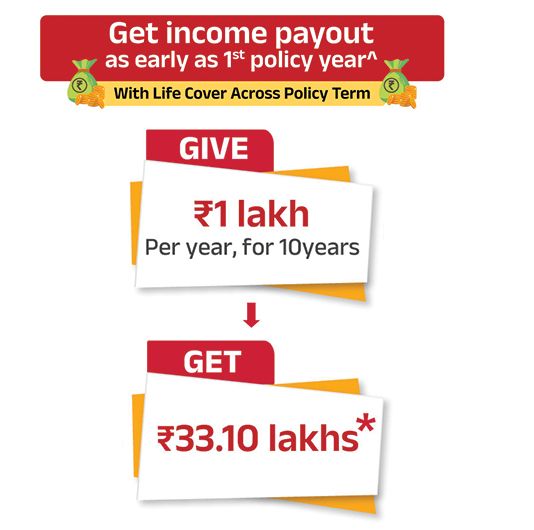
Get immediate income payout after 1 day of policy issuance^
ABSLI Nishchit Aayush Plan

Guaranteed# income

Life Cover across policy term
Lumpsum Benefit at policy maturity, in addition to Income
Get :
₹33.74 lakhs~
Pay: ₹10K/month for 10 years
 BUY ONLINE
Recently Added Article




Most Popular Calculator


This article is for general information and education only. It does not constitute financial, investment, tax, legal, visa, travel or insurance advice. Costs, exchange rates, charges, entry rules and provider terms can change. Verify current information with official authorities and relevant providers before making a decision.

