Aditya Birla Sun Life Insurance Company Limited

How to save more money each month? 7 practical habits for 2026

Icon-Calender September 3, 2026
Icon-Clock5 min read
4.5
Rated by 1000 readers
https://lifeinsurance.adityabirlacapital.comnullCLOSE-BUTTON

Plan Smarter, Live Better!

*Min 3 characters allowed
+91
*Please enter a valid 10 digit Mobile No
https://lifeinsurance.adityabirlacapital.comnullCLOSE-BUTTON
ICON-TICK

Thank you for your details. We will reach out to you shortly.

https://lifeinsurance.adityabirlacapital.comnullCLOSE-BUTTON
ICON-TICK

Currently we are facing some issue. Please try after sometime.

banner-imagemob-image
  • Icon-Index
    Table of Contents

The most reliable way to save more money is to make saving a planned monthly expense. Choose an amount you can sustain, move it soon after income arrives, and review the system when your income or essential costs change. You do not need a perfect budget. You need a repeatable process that leaves enough money for bills, debt repayments, and daily needs.

What should you do before trying to save more?

Start with one month of actual cash flow. List income received, essential bills, debt repayments, and discretionary spending. The gap between income and necessary outgo is your current saving capacity. If that gap is small or negative, first look for expenses you can reduce or renegotiate rather than setting an unrealistic transfer.

For irregular income, use a conservative baseline based on a lower-income month and save more only after essential commitments are covered. This reduces the risk of repeatedly moving money back from savings, which can make the plan difficult to maintain.

1. How can you separate needs from wants without making the budget too rigid?

Classify expenses by consequence, not by guilt. A need is an expense that protects basic living, health, work, or an existing obligation. A want is flexible in timing, frequency, or price. Some items can shift categories depending on your household, so review them honestly instead of copying another person’s list:

  • Keep: Housing, utilities, food, healthcare, transport needed for work, Insurance premiums, and required debt payments.
  • Adjust: Dining out, upgrades, entertainment, convenience fees, and optional subscriptions.
  • Question: if you delayed this purchase, would it harm your health, livelihood, or an existing commitment?

This exercise is not about removing every enjoyable expense. It is about deciding which spending matters most before unplanned purchases use the money intended for future goals.

2. What does ‘pay yourself first’ mean in practice?

It means treating saving as a scheduled commitment rather than waiting to see what remains at month-end. Choose a starting amount that fits after essential costs and required repayments, then move it shortly after income arrives. A modest amount maintained consistently is more useful than an ambitious amount that causes cash-flow stress.

If your income rises, decide in advance whether part of the increase will go towards a goal. If expenses rise, reduce the transfer consciously instead of allowing repeated payment failures or borrowing for routine needs.

3. Which budgeting method should you use?

Use the simplest method you will review. You can allocate income across essentials, flexible spending and future goals, but the proportions should reflect your household. High rent, caregiving costs, variable earnings, or debt may require a different split from a widely shared percentage rule.

A useful budget answers three questions: Are essentials covered? Are required repayments on time? Is a defined amount moving towards near-term and long-term goals? If the answer to one is no, adjust the categories before increasing discretionary spending.

4. How can you add friction to impulse spending?

Make unplanned spending slightly less automatic. Remove stored card details from shopping apps, disable non-essential promotional alerts, and use a short waiting period for discretionary purchases. Paying by Debit Card or another method that shows the balance immediately may help some people, but cash is not necessary for everyone.

Before a purchase, compare it with the goal it would delay. This reframes the choice without labelling all discretionary spending as wasteful. Continue using credit responsibly where it serves a planned purpose, and pay attention to due dates, fees, and your ability to repay.

5. Why should savings sit in a separate account or goal bucket?

Separating money by purpose makes the available spending balance easier to read. You might keep everyday expenses in one account and emergency or goal-based money in another accessible account or labelled bucket. The arrangement should be easy to monitor and suitable for how quickly you may need the money.

Avoid creating access barriers for funds intended for emergencies. For longer-term goals, assess the product’s tenure, liquidity, risk, charges, and conditions before committing. A separate label is helpful, but it does not replace product due diligence.

6. How can you automate savings safely?

Schedule a transfer after your usual income date, with enough time for salary delays or variable receipts. Keep a buffer in the transaction account so essential payments are not disrupted. Turn on balance alerts and review failed or reversed transfers instead of assuming automation is working.

For variable income, automate a small baseline and add manual top-ups after stronger months. Review the amount when rent, premiums, school costs, debt payments, or income change. Automation should reduce effort, not remove oversight.

7. How do you match a saving method to the goal?

First define the purpose, target date, access needs, and acceptable risk. Short-term or emergency money generally needs easier access. Longer-term goals may allow a structured commitment, but you should understand the product before proceeding. Do not use one product for every goal merely because it enforces discipline.

Life Insurance has a protection purpose. Certain Savings Life Insurance Plans combine life cover with policy benefits described in the contract. They can involve long commitments, premiums, and conditions. They should be considered only after checking affordability, liquidity needs, exclusions, surrender implications, and whether the life cover meets your family’s protection requirements.

How can ABSLI help you explore long-term protection and savings needs?

Aditya Birla Sun Life Insurance Company Limited provides information on Life Insurance and Savings Plans. If you are considering a policy, review the sales prospectus and policy wording, check the applicable product classification and UIN, and assess premiums against your long-term budget. Product benefits, eligibility, exclusions, and conditions vary by plan.

Explore the Savings Plans here

What can you do over the next seven days?

Choose one practical action. Review the previous month’s transactions, cancel an unused subscription, create a separate goal bucket, or schedule a manageable transfer. At the end of the week, note what changed and set a review date. Small systems are easier to improve than broad resolutions.

How Much Helpful You Found This Article?

Rating_Star
Rated by 0 reader
/ 5 ( 0 reviews )
Not helpful
Somewhat helpfull
Helpful
Good
Best
RatingTick

Thank you for your feeback

Don’t forgot to share helpful information in your circle

Frequently asked questions

There is no universal percentage. Start after accounting for essential expenses, required debt repayments, and near-term obligations. Select an amount you can maintain without relying on new borrowing for routine costs. Review it when income or expenses change, and increase it gradually if your cash flow allows.

The sequence depends on the debt’s cost and terms, your minimum payment obligations, and your need for accessible emergency money. Continue required repayments on time. Consider maintaining a basic cash buffer while prioritising costly debt, and seek qualified advice if the trade-off is unclear.

No. Emergency money is intended to be readily accessible for unexpected expenses. A Savings Life Insurance Policy is a long-term contract with life cover, premiums, and policy-specific benefits and conditions. Review liquidity and surrender terms before purchase, and do not rely on it as your only emergency reserve.

Base essential spending on a conservative income level, keep a small automated saving amount if feasible, and add more after higher-income months. Maintain a buffer for taxes and irregular bills where applicable. Review the plan frequently so saving does not interfere with required payments.

Review it after a meaningful change in income, housing costs, debt, family responsibilities, or financial goals. A periodic transaction review can also identify subscriptions, fees, or spending patterns that no longer serve you. The purpose is to keep the system realistic, not to chase a perfect budget.

Show All
Hide

Also read

References

  • Aditya Birla Sun Life Insurance, ‘7 Hacks To Help You Get Into The Habit Of Saving More Money’, source page accessed 3 September 2026: https://lifeinsurance.adityabirlacapital.com/articles/savings-insurance/7-hacks-to-save-more/
  • Insurance Regulatory and Development Authority of India, official policyholder and regulatory information: https://irdai.gov.in/
  • Aditya Birla Sun Life Insurance, savings plans category and current product documents: https://lifeinsurance.adityabirlacapital.com/savings-plans

Thanks for reaching out. We will reach out to you shortly.

Thanks for reaching out. Currently we are facing some issue.

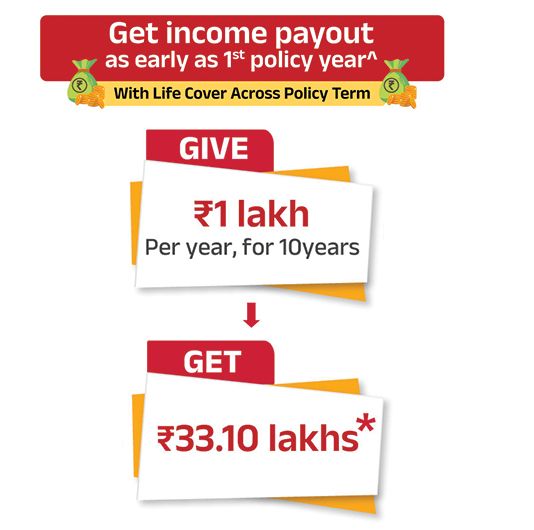
Get immediate income payout after 1 day of policy issuance^

*Min 3 characters
+91phone-icon
*Please enter a valid 10 digit Mobile No.
*This field is required.

ABSLI Nishchit Aayush Plan

ICON-CLICK

Guaranteed# income

ICON-CLICK

Life Cover across policy term

ICON-CLICK

Lumpsum Benefit at policy maturity, in addition to Income

Get :
₹33.74 lakhs~

Pay: ₹10K/month for 10 years

This article is for educational purposes only and does not constitute financial, investment, tax or legal advice. The suitability of any financial or insurance product depends on individual needs, affordability, risk profile and goals. Please read the applicable sales prospectus, benefit illustration and policy document carefully before making a decision.

whatsapp-imagewhatsapp-image