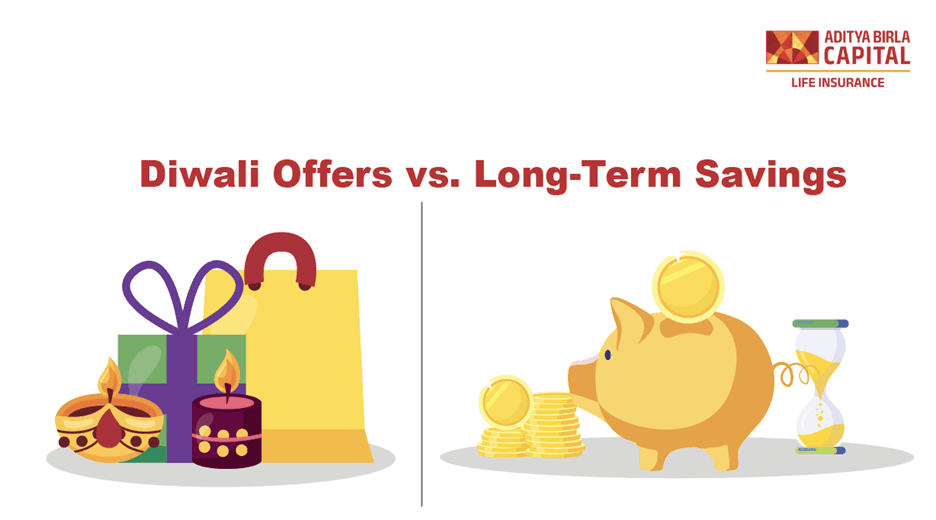
A sensible Diwali money plan separates celebration from obligation. Decide what you can spend after essential bills, debt repayments, and near-term needs are covered. Then give any bonus or seasonal surplus a clear job. This keeps the festival enjoyable without turning one month of generosity into many months of financial strain.
What should you do before setting a Diwali budget?
Start with money already committed, not with the amount available in your Bank Account. List essential household expenses, scheduled repayments, Insurance premiums, and known costs due soon. The amount left after those obligations is the realistic ceiling for festive spending, saving, and other goals. Use a simple three-bucket check:
- Must pay: Rent or home costs, utilities, school fees, healthcare, repayments, and premiums due.
- Plan to spend: Gifts, travel, food, decor, donations, and celebrations.
- Protect for later: near-term expenses, a cash buffer, and goal-based savings.
RBI’s financial-education resources place budgeting and saving among the foundations of sound money management. The practical lesson is straightforward: write the plan before spending starts, and revise it when circumstances change.
How can you set a festive spending limit that feels realistic?
Choose a rupee cap that fits your own cash flow rather than copying a universal percentage. Break the cap into categories, decide which items matter most, and leave a small margin for forgotten costs. If the total exceeds your limit, reduce the least important category before using credit. A useful budget records both the planned amount and the final amount. That comparison shows whether the pressure came from travel, gifting, food, or impulse purchases. It also gives you a more reliable starting point for the next festive season.
Decide how purchases will be paid for before visiting a store or opening an app. A discount does not make an unplanned purchase affordable, and a deferred payment still belongs in a future budget. For larger items, compare the final payable amount with the value the purchase adds to your household.
Should you repay debt before using a Diwali bonus?
Debt repayment may deserve priority when the borrowing cost is high or repayments are straining monthly cash flow. First check the outstanding balance, applicable rate, prepayment conditions, and emergency liquidity. Do not empty your accessible cash reserve merely to report a lower balance. If you are considering consolidation, compare the total amount payable, fees, revised tenure, and repayment discipline.
A smaller monthly instalment can still cost more over a longer period. The decision should improve the overall position, not only make the next month look easier.
How should you use a Diwali bonus or seasonal surplus?
Give the surplus an order of priority: urgent obligations, expensive debt, near-term liquidity, essential protection gaps, and then longer-term goals. You do not have to send the entire amount to one purpose. A written allocation prevents the bonus from disappearing through many unplanned transactions. Before committing money for a long term, ask when you may need it, whether contributions are affordable, what happens if you stop, and which benefits are guaranteed or non-guaranteed under the contract.
Keep money needed soon accessible rather than locking it into a long commitment. Separate one-time surplus from recurring affordability. A bonus can fund an initial contribution, but future premiums or goal contributions may come from ordinary monthly income. Test that continuing commitment against a quieter month, not only against festive-season cash flow.
How large should your emergency reserve be?
There is no single reserve size that suits every household. Base it on essential monthly outgo, income stability, dependents, health needs, and access to other support. Someone with variable income or several dependents may need a larger cushion than a household with predictable income and fewer obligations. Keep the purpose clear: this money is for genuine disruptions, not expected festival costs.
If you use part of the reserve, add a realistic replenishment amount to future budgets. Accessibility and capital preservation matter more here than chasing a return.
What Insurance checks belong in a Diwali financial review?
Review whether your life cover still reflects income, liabilities, dependents, and major goals. Confirm nominee details, contact information, premium due dates, and where policy documents are stored. Tell a trusted family member how to find the records and how to contact the insurer if needed. Do not buy or replace a policy only because a festival offer creates urgency. Read the benefit illustration, exclusions, surrender or discontinuance conditions, premium-payment term, and policy term.
Give complete and accurate information in the proposal. IRDAI’s policyholder-protection framework supports informed decisions and clear policy servicing. If an existing policy no longer appears suitable, do not stop premiums or surrender them before understanding the consequences. Ask the insurer for current policy information and assess the effect on cover and benefits. A rushed replacement can create fresh costs, new waiting conditions or a protection gap.
When might a Savings Life Insurance Plan fit a long-term goal?
A Savings Plan may be considered when you need life cover and are comfortable committing premiums for the selected term. Suitability depends on the goal date, affordability, liquidity needs, benefit structure, and policy conditions. It should not replace an emergency reserve or be treated as a quick festive purchase. Where a benefit is described as guaranteed*, it applies only according to the policy terms and provided all due premiums are paid.
Other benefits, if any, may be non-guaranteed. Review the official product prospectus, customised benefit illustration, and policy document before deciding.
How can ABSLI help?
Aditya Birla Sun Life Insurance Company Limited offers Life Insurance solutions across protection, savings, and retirement needs. A reader considering any plan should assess personal needs, affordability, tenure, exclusions, and benefit conditions, and should use the current product prospectus and customised benefit illustration.
What is a practical Diwali money checklist?
|
Decision
|
Action now
|
Check before proceeding
|
|
Festive budget
|
Set category-wise rupee limits.
|
Essentials and scheduled payments remain funded.
|
|
Debt
|
Identify the costliest or most stressful borrowing.
|
Prepayment costs and liquidity are considered.
|
|
Emergency reserve
|
Protect accessible money for disruptions.
|
Amount reflects household risk, not a generic rule.
|
|
Insurance
|
Review cover, nominees, and records.
|
Need, affordability, and disclosures are checked.
|
|
Long-term goal
|
Assign only genuinely long-term surplus.
|
Tenure, liquidity, and benefit conditions are understood.
|
|
After Diwali
|
Compare plan with actual spending.
|
Lessons are recorded for the next cycle.
|
What should you remember after the celebrations?
Good festive planning is not about removing joy from Diwali. It is about deciding in advance which spending brings value and which obligations must remain protected. A short post-festival review closes the loop: record actual spending, restore any used buffer, update policy records, and continue contributions that support defined goals.






 September 3, 2026
 5 mins read



 Table of Contents


 BUY ONLINE