
- All Insurance
- Endowment Plans
- Savings PlansNew
- Term Insurance
- Pension Plans
- Critical Illness Insurance
- ULIP PlanNew
- Group Insurance
- Protection Solutions
- Employer Employee
- Voluntary
- Affinity
- Credit Life
- Retirement Solutions
- Annuity Scheme
- Gratuity
- Leave Encashment
- Post Retirement Medical Benefits Scheme
- Superannuation
- Withdrawn Products
- NRI Plans
- Articles
- Where Do I?
- Find Customer Service
- Learn About Life Insurance
- Become a Life Insurance Advisor
- Know Our Funds
- Manage My Claim
- Know more about UPI Autopay
- Read FAQs
- Register For One ABC Id
- Download Forms
- Read Market Outlook
- Download Public Disclosures
- Disclosure of Key Performance and Financial Parameters
- Financial Calculator
- Know your Advisor
- Term Insurance
- Manage My Policy
- Her Insurance

Connect
Aditya Birla Sun Life Insurance Company Limited



Aditya Birla Sun Life Insurance Company Limited
HomeArticlesPost Office Monthly Income Scheme vs. Life Insurance Savings Plans in 2026: Which option helps build predictable income?
Post Office Monthly Income Scheme vs. Life Insurance Savings Plans in 2026: Which option helps build predictable income?
 August 25, 2026
 5 mins read

Plan Smarter, Live Better!

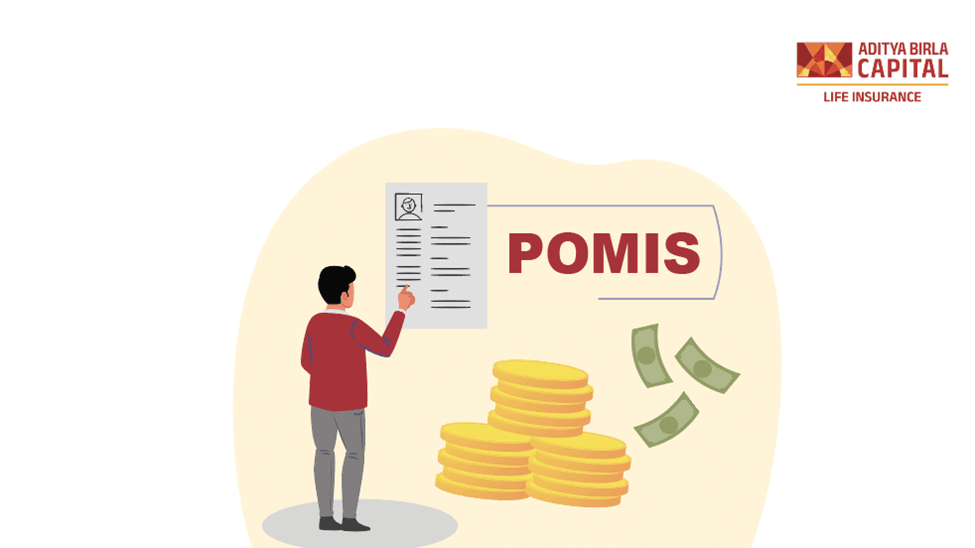
 Table of Contents
How Much Helpful You Found This Article?

Rated by 0 reader
/ 5 ( reviews )
Not helpful
Somewhat helpfull
Helpful
Good
Best

Thank you for your feeback
Frequently asked questions
The answer depends on your goals. POMIS offers government-backed monthly income at 7.4% per annum, while Savings Plans may provide income benefits alongside life cover. Investors should evaluate both return expectations and protection needs.
Insurance Plans and government savings schemes serve different purposes. Savings schemes focus primarily on capital preservation and income, whereas Insurance Plans combine financial protection with savings or income benefits. The ideal choice depends on personal financial objectives.
Many financial planners recommend securing adequate protection first. Since Term Insurance offers high coverage at comparatively affordable premiums, it can help protect a family's financial future before additional investments are made.
Show All
Hide
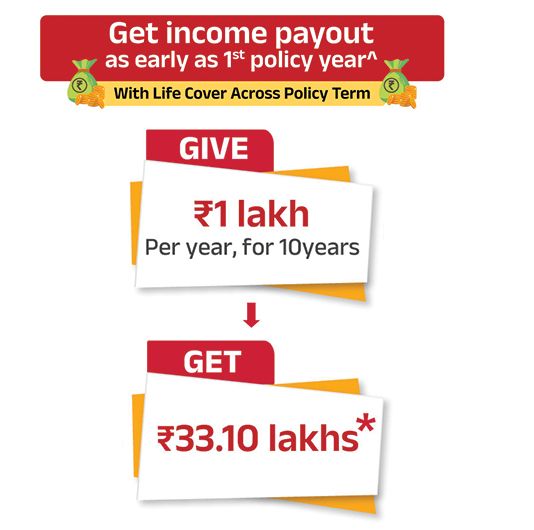
Get immediate income payout after 1 day of policy issuance^
ABSLI Nishchit Aayush Plan

Guaranteed# income

Life Cover across policy term
Lumpsum Benefit at policy maturity, in addition to Income
Get :
₹33.74 lakhs~
Pay: ₹10K/month for 10 years
 BUY ONLINE
Recently Added Article




Most Popular Calculator


Aditya Birla Sun Life Insurance Company Limited (ABSLI) is regulated by IRDAI. Product features, benefits, eligibility conditions, and premium requirements are subject to the terms and conditions of the policy. Government small-savings scheme rates are subject to periodic revision by the Ministry of Finance. Please refer to the latest product documents before making any investment or insurance decision.

