A tele-medical check-up for Term Insurance is a scheduled phone or video conversation in which an authorised medical professional records your health history for the insurer’s underwriting review. It can make the application process easier, but it does not guarantee policy issuance or remove the possibility of later physical tests.
What does a tele-medical check-up mean in Term Insurance?
It is a remote medical interview used to collect information relevant to Life Insurance underwriting. You may be asked about your health, treatment history, medicines, and lifestyle. The insurer evaluates this information with the proposal form and other documents before deciding whether more evidence is needed.
The call is not a general medical consultation or diagnosis. Its purpose is to help the insurer understand risk consistently and clarify details in your application. Depending on the case and the insurer’s rules, it may be completed by telephone, video call, or a secure digital platform.
Why may an insurer request a tele-medical assessment?
An insurer may use the assessment to verify health disclosures, understand a past diagnosis, record current treatment, or decide whether diagnostic tests are required. The request can depend on factors such as age, proposed cover, medical history, occupation, lifestyle, and information provided in the application.
Being asked to complete the call does not by itself mean that something is wrong with your application. It is one input in underwriting. Requirements and decisions vary by applicant and insurer, so another person’s experience may not predict yours.
What usually happens during the call?
The medical professional normally confirms your identity and consent, explains the purpose of the interaction, and asks a structured set of questions. You should answer in your own words and request clarification if a question is unclear.
- Identity and application details: Name, date of birth, and relevant proposal reference.
- Current health: Symptoms, recent consultations, medicines, and ongoing treatment.
- Medical history: Earlier diagnoses, hospitalisation, surgery, tests, and follow-up advice.
- Family history: Specified conditions among close family members, when asked.
- Lifestyle and occupation: Tobacco or nicotine use, alcohol use, hazardous work, travel, or activities, where relevant.
- Next steps: Whether documents, laboratory tests, or an in-person examination are required.
The exact questions and sequence can differ. A tele-medical assessment may take place before or after document review, and the insurer may contact you again if an answer needs clarification.
How should you prepare for a tele-medical check-up?
Choose a quiet place, keep your records nearby, and set aside enough time to answer without rushing. Preparation helps you give accurate dates, diagnoses, and medicine names instead of relying on memory.
- Keep a government-issued identity document and proposal or application reference ready.
- Collect recent prescriptions, discharge summaries, investigation reports, and the contact details of treating doctors, if available.
- Write down the names and doses of medicines you currently take.
- Check your device, network, camera, and microphone if the assessment is by video.
- Do not guess. Say that you need to verify a detail and ask how to submit it later.
- Attend the call yourself. Do not allow another person to answer health questions for you.
What should you disclose during the assessment?
Give complete and truthful answers to every question asked in the proposal process and tele-medical assessment. Include relevant past conditions even if you feel well now, and disclose medicines, consultations, investigations, hospitalization, and lifestyle information accurately. Do not decide on your own that an older condition is unimportant.
If you are unsure whether something is relevant, state it, and let the authorised professional or insurer assess it. Review any recorded summary or declaration made available to you and promptly request correction of an error. IRDAI’s policyholder-protection framework emphasises clear proposal information and fair treatment. Accurate disclosure supports proper underwriting. Any claim decision remains subject to the policy terms and applicable law.
Can a tele-medical check-up replace physical medical tests?
Sometimes it may be sufficient for the stage of underwriting, but it cannot be assumed to replace physical tests. The insurer may still request blood tests, urine tests, measurements, cardiac evaluation, imaging, or specialist reports based on the application and underwriting requirements. If tests are requested, follow the appointment and preparation instructions supplied by the insurer or authorised service provider.
Ask who will bear the cost, where the tests must be completed, and how reports will be shared. Do not arrange substitute tests without confirmation that they will be accepted.
What can happen after the tele-medical assessment?
After reviewing the assessment with the proposal form and supporting evidence, the insurer may issue the policy on offered terms, ask for clarification or further tests, offer revised terms, postpone the decision, or decline the proposal. No outcome is automatic. Read the policy schedule and benefit illustration, where applicable, after issuance. Check personal details, cover, premium, term, exclusions, and declarations.
Use the free-look option described in the policy document if the issued policy does not match your understanding, subject to the applicable conditions.
How can you protect your privacy during the process?
Use only the appointment link or contact details supplied through an official insurer or authorised service-provider channel. Confirm the caller’s identity, avoid sharing one-time passwords or payment credentials, and do not send reports to an unverified personal account. Ask how your information will be used and where a correction can be submitted. Keep copies of documents you provide and note the date of the assessment.
If you receive a suspicious request, contact the insurer using the customer-service details published on its official website.
How can ABSLI help?
Aditya Birla Sun Life Insurance Company Limited may request tele-medical information or additional medical evidence while assessing a proposal, depending on its underwriting requirements. Applicants should follow the instructions shared through official channels and provide complete information. Policy issuance, premium, and terms remain subject to underwriting and the applicable product documents.






 September 1, 2026
 5 mins read


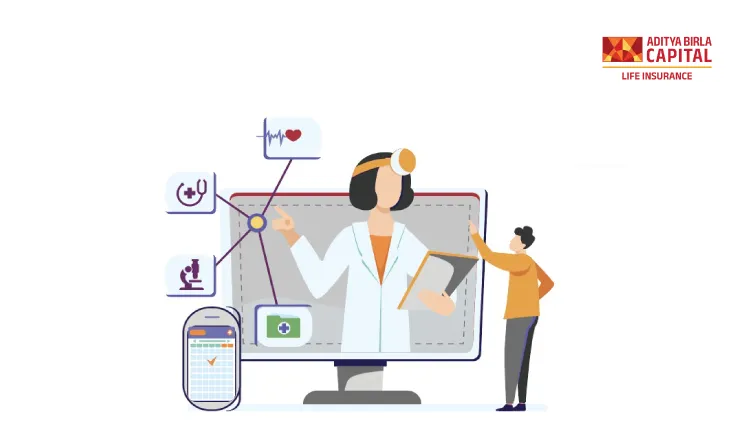
 Table of Contents


 BUY ONLINE