Some Term Insurance applications may be completed without a physical medical examination or diagnostic tests. However, this is not guaranteed and it is not usually a choice the applicant can demand. The insurer decides what evidence is needed after reviewing the proposal, requested cover, and its underwriting rules. A “no medical test” journey also does not mean “no medical assessment.”
You may still have to answer detailed health and lifestyle questions, share records, complete a telemedical discussion, or provide other evidence. Complete disclosure matters whether or not the insurer asks you to visit a diagnostic centre.
What does “Term Insurance without a medical test” actually mean?
It generally means the insurer has not asked for an in-person examination or laboratory or diagnostic investigation before deciding the application. The insurer may still assess medical risk using your proposal form, age, occupation, lifestyle, existing Insurance, health history, and any additional information it requests. This distinction matters. A quick digital journey is a process feature, not a relaxation of disclosure duties and not a promise that every application will receive the same decision.
The insurer may issue the policy on offered terms, ask for more information, propose different terms, defer the decision or decline the application, subject to its underwriting policy.
Why might an insurer ask for medical tests?
Medical evidence helps an insurer assess the likelihood and nature of the risk it is being asked to cover. Tests can also clarify an answer in the proposal form or help the underwriter understand a disclosed condition. The exact requirement varies, so there is no single test list for all applicants. Common considerations may include:
- Your age at the time of application
- The amount and duration of cover requested
- Your declared health conditions, symptoms, treatment, or medication
- Tobacco, nicotine, alcohol, or other lifestyle disclosures
- Your occupation, travel, or hazardous activities
- Your personal and relevant family medical history
- The total life cover you already hold or are applying for
The underwriter may decide that the available information is enough, or may request telemedical interaction, physical measurements, blood or urine tests, cardiac investigations, or other reports. A request for tests does not by itself mean that an application will be declined.
Can you choose a no-test Term Plan?
You can compare application journeys, but you should not select cover solely because it is advertised as “no medical test.” Eligibility, the evidence required and the final terms remain subject to underwriting. A suitable policy should first match your family’s financial needs, intended cover period, affordability, and policy conditions. Be cautious of any message suggesting that medical history is irrelevant or that avoiding tests makes disclosure unnecessary.
If an application begins as a no-test journey, the insurer may still seek tests or records after reviewing the answers. Treat this as a normal part of risk assessment, not as an unexpected charge or penalty.
What should you disclose if no test is requested?
Disclose every fact asked for in the proposal form truthfully, completely, and to the best of your knowledge. This includes current and past diagnoses, symptoms under investigation, treatment, medication, surgery, hospitalisation, tobacco or nicotine use, alcohol use, occupation, hazardous activities, and existing or pending Insurance applications.
Do not assume that a condition is too minor, too old, or already available in another record. Answer the question asked and provide context where the form permits it. If you are unsure how to describe something, request clarification from the insurer and retain a copy of the completed proposal form and supporting documents. A medical examination is not a substitute for disclosure. Tests capture information at a point in time and may not reveal every past or current condition.
Equally, honest disclosure does not mean an application will automatically be accepted on standard terms. It gives the underwriter accurate information on which to make the decision.
Does buying Insurance without tests make a future claim easier or harder?
Neither outcome follows automatically. The absence of pre-policy tests does not guarantee claim payment, and it should not be presented as a reason for rejection by itself. A claim is assessed under the policy terms, the information supplied at application, applicable law, and the circumstances of the claim. Section 45 of the Insurance Act, 1938, as amended, contains rules on when a Life Insurance Policy may be called into question, including a three-year limit with statutory conditions.
It is a legal safeguard, not permission to give incomplete answers. Readers should refer to the current law and policy wording or obtain qualified advice for a specific dispute.
What if the insurer asks for tests after you apply?
Follow the scheduling instructions and ask what identification, fasting or preparation is needed. Use the insurer’s authorised process and check whether the insurer bears the cost. If an appointment or sample is missed, contact the insurer rather than assuming the application has been cancelled or approved. Review the information recorded during any telemedical call and correct errors promptly through an auditable channel.
If further reports are requested, submit legible and complete records. Do not stop prescribed medication or change your routine merely to influence a result unless your treating doctor advises it for medical reasons.
How can you prepare for a transparent application?
A little preparation can reduce follow-up questions without hiding relevant information:
- Collect recent prescriptions, reports, and discharge summaries
- List doctors consulted, diagnoses, treatment dates, and current medicines
- Record existing and pending Life Insurance cover accurately
- Check tobacco and nicotine questions carefully, including products other than cigarettes
- Read the completed proposal before submitting it
- Save the proposal, declarations, payment receipt, and policy documents.
If policy documents do not reflect what you disclosed or expected, contact the insurer during the applicable review period stated in the policy documents. Keep communications and corrections in writing where possible.
How can ABSLI help?
Aditya Birla Sun Life Insurance Company Limited provides Term Insurance and digital application support on its official website. Any medical or documentary requirement, eligibility decision, premium, and policy terms are subject to the relevant product, proposal details and underwriting. Read the sales prospectus and policy documents before concluding a sale.
What is the practical takeaway?
You may be able to buy Term Insurance without an in-person medical examination, but the insurer decides whether that route is appropriate. Focus on adequate cover and accurate disclosure, not merely on avoiding tests. A transparent proposal gives the insurer the information needed to assess the application and reduces avoidable uncertainty for your nominee later.






 September 1, 2026
 5 mins read


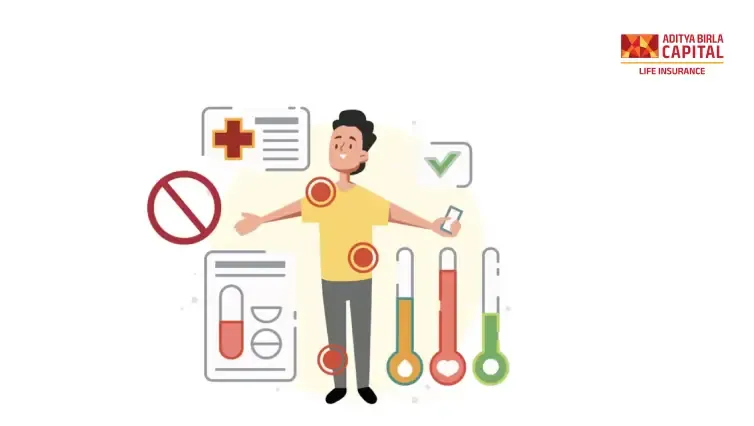
 Table of Contents


 BUY ONLINE