An Accidental Death Benefit (ADB) Rider adds an extra lumpsum on top of your Term Plan's base death benefit if death is caused specifically by an accident, typically within a set period after the accident, often around 180 days. It pays nothing if death results from illness or a cause unrelated to an accident.
Whether it is worth adding depends on whether your existing sum assured already meets your coverage needs, or whether you specifically want a cushion against fatal accidents that your income-based cover limit does not fully address.
What are Term Insurance riders?
Riders are optional add-ons, available at an additional premium, that let you extend a Term Plan's coverage beyond the standard death benefit. Commonly available riders include Critical Illness Riders, Accidental Death Benefit Riders, Accidental Disability Riders, Waiver of Premium due to critical illness, and Surgical Care Riders, though the exact list varies by insurer.
Adding a rider generally does not require fresh medical tests beyond what your base policy already required but always confirm this with your insurer.
How does the Accidental Death Benefit Rider work?
If death occurs due to an accident while the rider is active, the ADB rider pays an additional sum on top of the base death benefit, rather than replacing it. For example, someone with a ₹1 crore base Term Plan and a ₹1 crore ADB rider would have their nominee receive a total of ₹2 crore if death is accident related. ₹1 crore from the base policy and ₹1 crore from the rider.
Once the rider's sum assured is paid out, the rider itself ends. The rider typically pays out only if death occurs immediately or within a set survival period following the accident, often around 180 days. If death happens outside that window, the rider may not pay out, though the base Term Insurance still pays the standard death benefit as long as death occurs within the policy term.
Insurers also apply exclusions to this rider, commonly for death from illness or infection unrelated to the accident, self-inflicted injury or suicide, death connected to criminal or illegal activity, and death arising from war, terrorism, invasion, or civil unrest. For example, on the same ₹1 crore base plan with a ₹1 crore ADB rider, if death results from a heart attack rather than an accident, the insurer would pay only the ₹1 crore base death benefit, since the cause of death was not accident related.
What is the difference between an ADB Rider and an AD&D Rider?
An Accidental Death and Dismemberment (AD&D) Rider extends beyond death cover to also pay out for significant injuries caused by an accident, such as the loss of a limb, eyesight or hearing. Where an ADB Rider responds only to accidental death, an AD&D Rider can also provide funds for recuperation and medical treatment following an accident that causes serious injury but not death.
When does adding this rider make sense?
Some insurers cap the maximum life cover you can buy based on your income, which can leave a gap between the cover you want and the cover you are eligible for. For example, if you wanted ₹2 crore of cover but income-based limits only allow ₹1.5 crore, adding a ₹50 lakh ADB Rider can bring your total potential payout closer to ₹2 crore in the specific case of an accidental death, without needing to meet a higher income threshold.
This makes the rider most useful as a way to close a coverage gap for accidental risk specifically, rather than a general substitute for higher base cover.
Are there tax benefits on this rider?
Premiums paid for an ADB Rider can qualify for a deduction under Section 126 of the Income-tax Act, 2025, and the claim amount received under the rider may be exempt from tax under Section 11 read with Schedule II of the same Act, subject to the conditions specified there.
Tax interpretations can vary and tax rules can change, so confirm current eligibility with a qualified tax advisor rather than assuming both benefits automatically apply.
What is the most common mistake people make with this rider?
The most common mistake we see is assuming the rider will pay out for any accidental death, without checking the specific exclusions and the survival-period cutoff in the policy document. A death that falls outside the survival period, or that falls under an excluded cause, will not trigger the rider's payout even though the death itself was accidental, so reading the exact terms matters more than assuming broad coverage.
How can an ABSLI Term Plan help with accidental death cover?
If you are comparing this rider across plans, the ABSLI Super Term Plan and ABSLI Salaried Term Plan are pure risk premium Life Insurance Plans for salaried individuals, with an Accidental Death Benefit Rider option available at purchase. Confirm the exact rider sum assured limits, survival period, and exclusion list against the current policy brochure before you buy.
Conclusion
An Accidental Death Rider is a narrow, specific tool. It adds cover for one particular cause of death, not a general boost to your protection. It is worth adding if you have a genuine income-based coverage gap or specifically want a cushion against fatal accidents, but the exclusions and survival period matter as much as the payout amount, so read the policy wording closely before deciding.






 September 16, 2026
 5 mins read


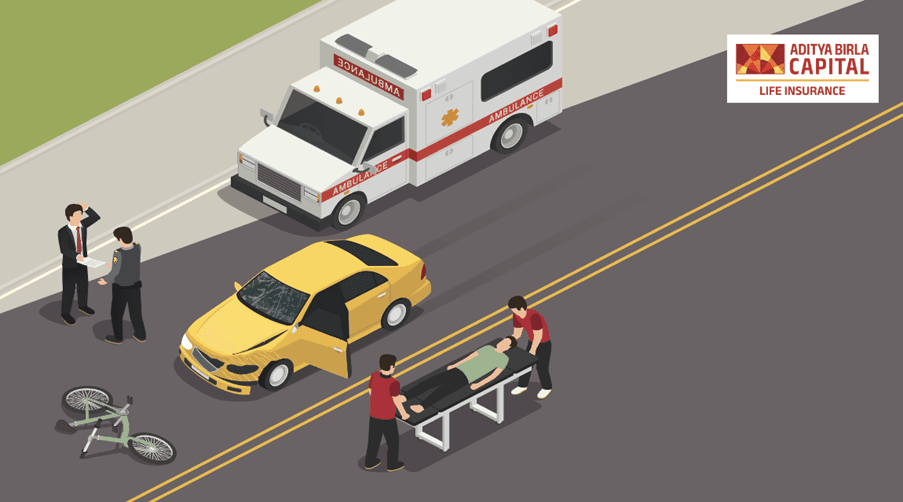
 Table of Contents


 BUY ONLINE