You can make room for enjoyment today by giving retirement saving a planned place in your budget. Start with essential spending, debt payments, and a reserve for unexpected costs. Then decide what you can set aside for retirement and what remains available for experiences, without relying on borrowing to bridge the gap.
How do you decide what you can spend today?
Work from your actual cash flow rather than a fixed saving rule. Lists take home income, essential expenses, debt instalments, Insurance premiums, and irregular bills. Decide how much to reserve for emergencies and retirement before setting an affordable lifestyle budget. If the total exceeds income, change the plan before committing to a purchase.
Use recent statements to capture expenses that are easy to miss, such as annual renewals, school costs, or repairs. Divide known annual costs into monthly provisions. Keep a separate line for enjoyable spending so that a restaurant visit or weekend trip does not automatically become a withdrawal from retirement savings. This is a suggested process, not a prescribed allocation.
How can a monthly budget make the trade off visible?
A written budget turns a vague intention to save into specific choices. In the hypothetical example below, each rupee of take home income has an assigned purpose. The amounts demonstrate arithmetic only. Your allocation should reflect income stability, dependents, debt, and the retirement contribution required by your own plan.
Illustration: Monthly take home income is ₹80,000. Essential bills and debt payments use ₹44,000. Provisions for irregular costs and emergencies use ₹8,000. Retirement savings uses ₹16,000, and lifestyle spending uses ₹12,000. Total: ₹80,000. A ₹36,000 holiday would require three months of the entire lifestyle allocation, assuming no other spending from it. If that is unrealistic, reduce the trip cost or allow longer to save.
How should you set a retirement goal?
Build your goal around the life you expect to fund after work, rather than a multiple of salary. Estimate essential living costs, housing, healthcare, and discretionary spending. Account for existing retirement resources and expected income. Then test how the required saving changes with retirement age, inflation, and the length of retirement.
Separate expenses likely to end from those likely to continue. A commuting bill may fall while healthcare or home maintenance needs may rise. Inflation can reduce purchasing power, so present day expenses should not be treated as unchanged future expenses. Use more than one planning assumption and seek qualified help if the contribution needed is unaffordable. A calculator is an estimate, not a commitment about outcomes.
How can you keep retirement savings consistent?
Schedule contributions after income arrives, while checking that essential bills remain covered. Automation can make the planned transfer easier to carry out, but it does not prove that the amount is sufficient. Review the contribution against your retirement goal, and revisit it when income, expenses or family responsibilities change.
For variable income, consider a contribution that remains manageable during quieter months, with additional saving when cash flow permits. Keep money needed for near term bills accessible. Before committing to an Insurance premium schedule, check affordability across the full payment period and understand the policy consequences of missed payments. Avoid funding a recurring commitment solely from an uncertain bonus.
What should you check before a large lifestyle purchase?
Ask whether the purchase can be paid for without missing essential payments, using emergency reserves for a non emergency, or repeatedly pausing retirement saving. If it cannot, reconsider the cost, timing, or scale. A planned experience can remain a goal even when the original price or date needs to change.
Write down the full cost, including transport, fees, and follow on expenses. Compare it with money already set aside for that purpose. For a recurring upgrade, examine the ongoing bill rather than only the first payment. If the purchase requires a change to retirement contributions, calculate the funding shortfall and agree how you will address it before spending.
Should retirement priorities change as you get older?
Review priorities through changes in circumstances instead of treating age as a universal savings benchmark. Early in working life, establish a realistic saving habit. As responsibilities grow, reassess affordability and protection needs. Approaching retirement, examine the income you will need, accessible reserves, and support for a spouse or other dependants.
Someone planning a career break needs a different cash flow plan from someone with steady earnings, even at the same age. Near retirement, record expected income sources and their start dates, then identify the gap against essential expenses. Allow separately for irregular costs. If a gap remains, discuss changes to spending, contributions, or retirement timing rather than assuming higher returns will solve it.
Where can annuity fit into the plan?
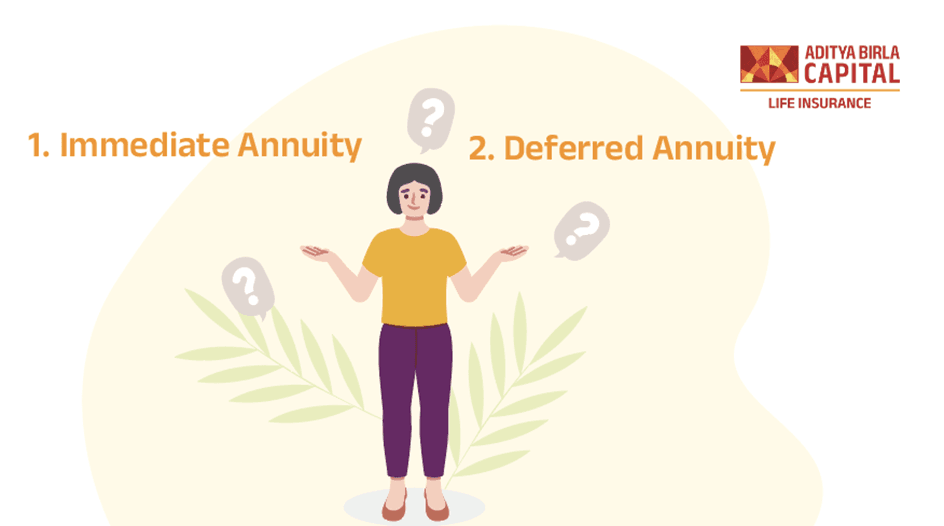
Annuity is an Insurance arrangement that pays income according to the selected option and policy terms. It may help address part of a retirement income need, but buying one does not replace budgeting. Consider payment timing, spouse needs, access to money, and the effect of rising expenses before committing funds. Immediate and Deferred Annuities differ in when income starts.
Survivor benefits and any Return of Purchase Price depend on the option chosen. Check the current policy documents for eligibility, payment conditions, exit provisions, and exclusions. Keep a separate provision for unexpected costs rather than assuming all annuity funds remain available on demand.
How can ABSLI help with Retirement Planning?
ABSLI provides Retirement Planning information and Insurance options that readers can investigate against their own needs. Begin with the income gap and the amount you can sustainably commit, then examine the relevant policy documents. A provider discussion should clarify conditions and limitations as well as how income is paid.
Request the current prospectus, policy wording, and applicable illustration before making a decision. This article does not recommend a named product or reproduce a payout quotation. An insurer’s educational material can explain an arrangement, but suitability still depends on your household circumstances.
What should you do if your budget stops working?
Rebuild the budget when income falls or unavoidable costs rise. Protect essential payments and reassess discretionary spending first. If retirement saving must change, record the reason and a review date. A revised plan should explain what happens next, rather than leave a temporary pause to continue without attention.
Review after a job change, a new dependent or a significant expense, as well as at a planned regular interval. Compare actual spending and contributions with the plan. If you hold an insurance policy, contact the insurer about contractual options before stopping premiums. Check the effect on benefits and costs instead of assuming a pause will have no consequences.






 October 23, 2026
 5 mins read

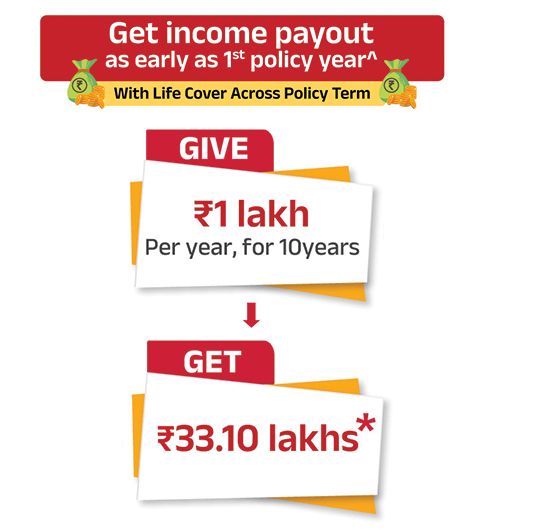



 Table of Contents


 ENQUIRE NOW