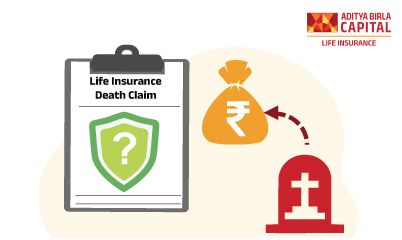
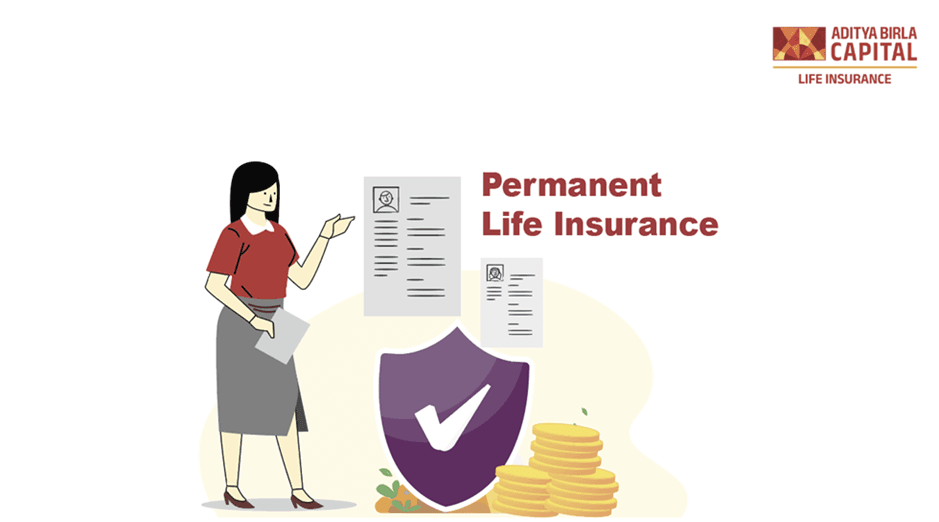
Term Life Insurance mainly provides financial protection if the insured person dies during the policy term. Non-Term Life Insurance is a broad label for policies that may also provide savings, maturity, market-linked, or retirement benefits. The right choice depends on the protection you need, the goal you want to fund, and the premiums you can sustain.
What is Term Life Insurance?
A Pure Term Life Insurance Policy covers the insured person for a specified period. If that person dies while cover is active and the claim meets the policy conditions, the contractual death benefit is payable. If the person survives the term, a Pure Term Policy normally ends without a maturity payment. Think of term cover as a way to address a financial gap left by a death.
That gap might include household expenses, dependent parents, a Home Loan, or education costs. Select the cover amount and duration around those responsibilities rather than only the advertised premium. Some term variants offer a return of eligible premiums or other specified benefits. Those options have their own cost and conditions. Read the benefit definition before assuming all premiums, charges, or taxes will be returned.
What does Non-Term Life Insurance mean?
Non-Term Life Insurance is a convenient comparison label, rather than a single policy with one set of benefits. It can refer to Savings, Whole Life, Linked, or Retirement Policies. Ask what the actual contract provides, when it pays and whether any part of its benefit depends on bonuses or market performance. An Endowment Policy generally combines death protection with a maturity benefit.
A Moneyback structure can include scheduled survival payments. Whole Life cover describes the duration of protection, while the policy’s savings and payment features depend on its terms. Child and retirement labels describe a purpose. They do not establish whether a policy is Linked, Non-Linked, Participating, or Non-Participating. A retirement accumulation policy and an annuity also solve different problems. The latter pays income according to the selected option, with death benefits dependent on that option.
How do Term and Non-Term Policies differ?
Compare the actual death benefit, survival benefits, premium schedule, and exit conditions. Pure term cover concentrates on death protection. Other Life Policies can add benefits payable while the insured person is alive, but these differ by structure. A policy with more features still needs to provide an appropriate amount of protection.
Use the table as a starting point, then confirm every item in the specific policy wording and benefit illustration. A lower premium and a larger illustrated maturity amount answer different questions. Neither alone establishes that the policy fits your household.
|
Feature
|
Pure Term Insurance
|
Other Life Insurance
|
|
Main purpose
|
Death protection for a defined term
|
Protection with other benefits, depending on policy
|
|
Survival payout
|
Normally none for pure term
|
May include maturity, income, or survival benefits
|
|
Premium comparison
|
Compare like for like cover and underwriting
|
Additional benefits can increase the commitment
|
|
Market exposure
|
No market-linked fund value in pure term cover
|
Present in linked policies; not universal
|
|
Exit value
|
Do not assume a surrender payment
|
Contract specific. Early exit can affect value
|
|
Payment obligation
|
Check premium payment and cover duration
|
Check both duration and scheduled benefit dates
|
When might Term Insurance meet your needs?
Term Insurance may fit when your main concern is replacing income or clearing liabilities after a death. Begin by estimating what dependents would need and for how long. Consider existing usable assets and life cover before identifying a shortfall. Then assess whether the proposed premium is affordable throughout the payment term. For example, a parent with a Housing Loan can list the outstanding debt, essential family expenses, and future education needs.
This is a planning exercise, not a promise of eligibility or a claim amount. Avoid counting the same savings twice or assuming employer cover will always remain available. You may use a Term Insurance calculator to explore cover and indicative premiums, but the final offer depends on the insurer’s assessment. Disclose the information requested accurately, including health and tobacco use.
When might a policy with savings or retirement benefits fit?
A policy with additional benefits may fit a defined long-term goal when its payment schedule, access restrictions, and risk profile match your circumstances. First establish whether the death cover addresses your protection needs. Then review the additional benefits separately, including when it becomes payable and what happens if you stop premiums.
For a traditional Savings Policy, distinguish contractual benefits from non-guaranteed bonuses. An illustration can show possible outcomes without making them payable promises. Read more about types of bonuses in a life insurance policy. For Linked Insurance, fund values fluctuate and charges affect the amount available. For retirement income, ask which annuity option is being discussed and whether it provides a benefit after the annuitant’s death. Keep emergency funds and near-term expenses in mind before committing to a long payment schedule.
What risks and exit conditions should you check?
Check premium discontinuance, surrender, reduced paid-up benefits where available, exclusions, and access to money before you buy. These outcomes differ across Life Insurance contracts. A policy designed for a long-term goal may not provide the amount you expect if you exit early or stop paying before completing the required premium schedule. A Linked Insurance Policy does not provide liquidity during its first five years. Market-linked returns are not guaranteed, and the policyholder bears the investment risk.
Later withdrawals remain subject to the contract. Read charges and discontinuance provisions alongside the benefit illustration. For any policy, ask for a written explanation of the death benefit and the consequences of missed payments. Do not assume that every life policy provides a surrender value or that a claim is payable irrespective of disclosures, exclusions, and policy status.
Can you hold both Life Insurance Plans?
You can hold term cover alongside another Life Insurance Policy, subject to the insurers’ acceptance and underwriting requirements. The policies can serve separate purposes, such as death protection and a scheduled savings benefit. Assess their combined premiums and total usable cover before deciding whether an additional policy addresses a real gap.
List your existing policies, payment dates, and benefit schedules in one place. If premiums would become difficult during an income interruption, reconsider the commitment before applying. Read the life insurance benefits and home loan protection guides in more detail.
How can ABSLI help you compare your options?
Aditya Birla Sun Life Insurance provides information on Term and other Life Insurance categories. Review the relevant policy wording, sales prospectus, and personalised benefit illustration, then ask for clarification on eligibility, benefits and charges. A category page or calculator is a starting point for enquiry; the issued contract determines your cover.
Ask for the current product classification and Unique Identification Number when discussing a specific plan. Confirm which amounts are contractual, which are illustrative and how the premium payment term differs from the policy term. No individual product is recommended in this comparison.






 October 9, 2026
 5 mins





 Table of Contents


 BUY ONLINE