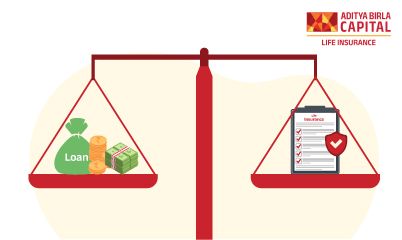
Life Insurance can give your family money to deal with a Home Loan if the insured borrower dies during the policy term. The payout depends on the policy remaining in force, the claim meeting its terms, and any assignment to the lender. The right amount should account for the outstanding Loan and the family’s other expenses, rather than simply matching the original Loan amount.
A Home Loan creates a long commitment. Your family may still have monthly repayments even after losing the income used to pay them. Life cover is one way to plan for that risk. It does not cancel the Loan automatically, prevent every default or pay every claim regardless of the contract. Start with the outstanding balance, then decide what financial support your household would need beyond the house.
How does a death benefit help with a Home Loan?
If an insured borrower dies while cover is active and the death claim is payable, the beneficiary or assignee receives the benefit in the form specified by the policy. They may use available proceeds to clear the loan or continue repayments. Whoever receives the money first depends on nomination, any valid assignment and the policy terms.
A lender may require its outstanding dues to be settled under the Loan agreement. If the policy has been assigned as security, the lender’s interest may take priority up to the amount due. The family should ask for a statement of the outstanding balance and check whether any surplus is payable to the appropriate claimant. Keep the Loan and policy documents together so the claim can be traced promptly.
How much life cover should a borrower consider?
Begin with the current Loan outstanding, add the amount your dependents would need for living costs and other liabilities, then subtract resources they can realistically use. Review the calculation when the Loan is refinanced, prepaid, or increased. The result is a planning estimate, not an insurer’s offer or a promise that one policy will meet every expense.
For example, a borrower with a ₹40 lakh outstanding balance, ₹20 lakh of other family needs and ₹10 lakh of accessible assets might estimate a ₹50 lakh gap. This is an illustrative calculation, not a recommended sum assured. Future interest, household costs, existing cover, and inflation can change the figure. A co-borrower should assess the loss of either income, including unpaid household work that would need replacing.
Should you choose level cover or reducing cover?
Level cover generally keeps the stated death benefit constant through its selected term. Reducing cover generally declines according to a schedule, often intended to resemble Loan amortisation. Compare that schedule with the actual balance: interest changes, missed EMIs, or restructuring can leave a gap. Product wording, available options, premiums and payout rights vary.
Level cover can leave more money for the family after the debt is paid, provided the cover is adequate and a claim is payable. Reducing cover may suit someone whose sole aim is a declining debt, but a Loan balance does not always fall exactly as projected. Ask for the benefit schedule and a written illustration before deciding. Do not assume a Home Loan Insurance Plan and an ordinary Individual Term Policy have identical beneficiaries or portability.
Must you buy Insurance from your Home Loan lender?
Do not assume that taking a Home Loan creates a universal legal obligation to buy a particular Life Policy. A lender may ask for protection or offer a policy, but the actual Loan terms and the lender’s stated requirements matter. Request written details of what is compulsory under your agreement, whether you can use an existing policy, and any consequences of declining the offered cover.
If a single premium is financed into the Loan, ask what happens when you prepay, refinance, or close it early, including whether any refund is available under that contract. Check who owns the policy, who is insured, its coverage period, exclusions, waiting periods if any, and whether the sum insured tracks the outstanding Loan. Read the Customer Information Sheet and policy schedule before accepting.
What changes if a policy is assigned to the lender?
Assignment transfers specified policy rights to the assignee according to the assignment terms and applicable law. It can affect who receives claim proceeds and how a nominee’s rights operate. Before signing, request the assignment form, understand whether it is absolute or conditional, confirm the insurer has recorded it, and ask how rights will be released when the loan is repaid.
If you already hold adequate individual cover, ask the lender whether an assignment of that policy is acceptable. Do not assume the full benefit will reach your nominee while an assignment is active. After Loan closure, obtain written confirmation of release or reassignment, and update nomination as appropriate. Preserve copies of the insurer’s endorsement and the lender’s no-dues document.
What should you check before buying or changing cover?
Choose a policy term that reflects the Loan period and your dependents’ needs, then check the premium you can sustain. Disclose health, occupation, smoking, and other information accurately in the proposal. Review exclusions, premium due dates, grace period, revival conditions, payout option, and any riders. A lapse can leave the household unprotected when the Loan is still due.
Existing employer cover may change when you change jobs, and existing personal cover may already be committed to other family needs. Record all policies and Loans in one place. When the Loan grows or a co-borrower join, revisit both sum assured and insured lives. Avoid treating a rider as automatic protection against all disability or illness: coverage depends on the rider’s defined event and exclusions.
How does a family claim if the borrower dies?
Notify the insurer promptly through its official claim channel and inform the lender. The claimant usually needs the policy details, death certificate, identity and bank information, with additional documents depending on the case. Ask the insurer for a written list and acknowledgement. The insurer assesses the claim under the policy and applicable rules. The beneficiary should also request the lender’s current payoff amount.
Where the policy is assigned, ask both parties to confirm how proceeds will be applied and how any remainder will be handled. Keep copies of submissions and correspondence. If a claim or service issue is unresolved, use the insurer’s grievance process and then the available IRDAI grievance and ombudsman channels under the applicable rules. Do not stop contractual EMI payments solely because a claim has been lodged.
Are there tax benefits on a policy used for a Home Loan?
A Home Loan does not itself create an additional deduction for Life Insurance premiums. The availability of a premium deduction depends on the applicable income-tax law, regime, limits, and eligibility conditions. The new regime generally does not allow the usual Chapter VI-A deduction under section 80C. Death proceeds have separate tax treatment subject to law and exceptions.
Do not buy more cover solely for a tax saving. Check the relevant assessment year, whether the old or new tax regime applies to you, and the policy’s premium and benefit conditions with a qualified tax adviser. A health-related rider does not automatically qualify under section 80D merely because it accompanies Life Insurance. Its nature and statutory conditions must be checked.
How can ABSLI help?
Aditya Birla Sun Life Insurance offers Life Insurance options and policy servicing information through its official site. Compare the current prospectus, Customer Information Sheet, benefit illustration, and policy wording for any option you consider. Ask for the applicable product UIN and verify it against the current sales material before buying. This article does not recommend a particular plan.






 September 25, 2026
 5 mins read




 Table of Contents


 BUY ONLINE