A Life Insurance premium is the amount you pay for the cover and benefits described in your policy. To budget for it, first identify the financial gap your family could face, then choose a payment arrangement you can maintain. A low advertised price is only useful when the cover, conditions, and actual payable amount suit your needs.
For millennials managing rent, Loans, or support for parents, the practical question is whether a policy fits both present cash flow and future commitments. The following checks can help you read a quote and plan payments without treating an online estimate as a final offer.
What exactly are you paying for?
Your premium pays for the benefits promised by the Insurance contract, subject to its terms. Read the cover amount, duration, exclusions, and payment obligations together. The premium, sum assured, and benefit payable are different figures. Paying a particular amount does not by itself tell you what your family will receive. Start with the purpose of the policy.
If the concern is replacing income after death, identify the relevant death benefit and when it applies. If a policy includes other benefits, read their conditions separately. Ask for a plain-language explanation of unfamiliar terms before accepting the policy.
How much cover should come before the premium budget?
Estimate the support your dependents could need for living costs, outstanding debts, and important goals, then consider existing cover and resources genuinely available to them. This gives a starting point for the cover discussion. Affordability matters, but selecting cover solely from the cheapest premium can leave a material protection gap.
An illustrative household needs ₹40 lakh for future living costs, ₹20 lakh for debt repayment and ₹15 lakh for education. It has ₹10 lakh of resources allocated to these needs. The arithmetic gap is ₹65 lakh: ₹40 lakh + ₹20 lakh + ₹15 lakh − ₹10 lakh. These hypothetical figures are not a recommended sum assured. The living-cost estimate would need to reflect the support period and inflation.
Why might your final premium differ from an online estimate?
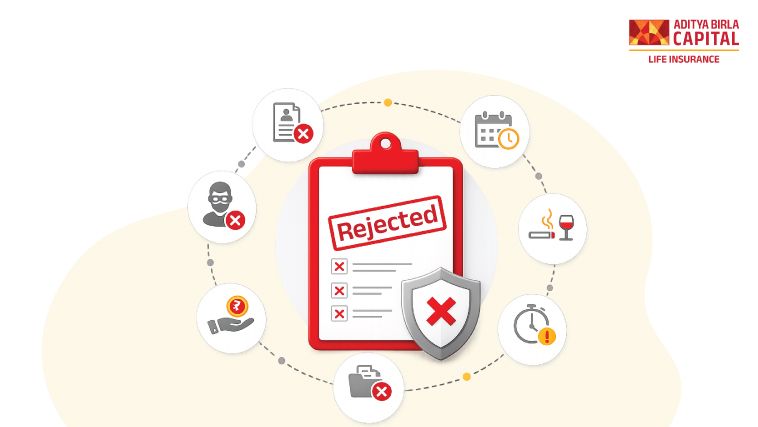
An online estimate uses the information entered and the assumptions shown. The final premium depends on the insurer’s assessment and accepted policy configuration. Age, medical history, tobacco use, occupation, and the requested cover can affect that assessment. Complete disclosures and medical requirements before treating the price as final.
Read every proposal answer, including answers entered with assistance. Disclose information requested about health, medication, habits, work, and existing Insurance accurately. If the insurer offers revised terms, ask what changed, and whether the revision affects premium, benefits, or exclusions. Do not omit information to obtain the displayed price.
Should you pay monthly or annually?
Choose an available payment frequency that suits your cash flow after checking the actual total payable. Monthly payments can spread the immediate outlay, while annual payments require a larger amount at once. A monthly equivalent shown in advertising may simply be an annual amount divided by twelve, rather than an available monthly instalment.
For an invented example, an annual quote of ₹12,000 has a mathematical monthly equivalent of ₹1,000. If the actual monthly option is ₹1,050, the yearly outlay is ₹12,600. That difference is illustrative, not a standard charge or an ABSLI quotation. Ask for the payment schedule for each available mode, using the same cover and terms.
How is the payment term different from the cover term?
The policy term describes how long the contract provides cover, subject to its conditions. The premium payment term describes how long payments are due. These periods can differ. A shorter payment term does not necessarily mean shorter cover, and a smaller recurring instalment does not show the complete payment commitment.
Write down the cover end date, last premium due date, and instalment frequency. Check the amounts payable across the full payment term, alongside benefits and exit conditions. If your income fluctuates, avoid a payment arrangement that assumes every future year will resemble your highest-earning year.
How can you test whether the premium is affordable?
Test the premium against money left after essential expenses, debt commitments, and an emergency reserve. Use dependable income rather than an expected bonus. The aim is to choose a commitment you can sustain through ordinary financial changes. There is no universal percentage of salary that establishes the right premium budget.
As a planning exercise, list reliable take-home income and essential outgoings, then add the proposed instalment. Repeat the exercise with a temporarily lower income or a higher essential expense. If the payment becomes difficult, revisit the policy configuration and seek advice before committing. This exercise tests cash flow. It does not determine medical eligibility or insurer pricing.
What happens if you miss a payment?
For Life Insurance instalments, IRDAI specifies a grace period of 15 days for monthly premiums and 30 days for quarterly, half-yearly, or annual premiums. Pay within the applicable period and check the contract. After it expires, consequences depend on the policy, including lapses or reduced benefits where applicable. Set reminders, maintain sufficient funds for authorised debits and keep payment receipts.
A failed debit still needs attention. If a policy has lapsed, ask about revival requirements, overdue amounts, and when cover resumes. Do not assume making a transfer alone restores protection. Check any reduced-benefit provisions before deciding to stop paying.
Does GST change the amount you should budget?
Individual Life Insurance Policies are exempt from GST from 22 September 2025. When reviewing a current quote or payment notice, confirm that it reflects the applicable treatment. This exemption does not fix the underlying premium or automatically establish the treatment of every Insurance arrangement, including group cover.
Use the current amount due rather than adding a historic GST percentage to an old estimate. Ask the insurer to explain any separate charges or discrepancy. Tax treatment can change, so confirm the position when paying. The exemption should not replace checking whether the policy itself meets your needs.
How can ABSLI help you understand a quote?
ABSLI can explain the payment modes, policy terms, and proposal requirements relevant to its available policies. Ask for the applicable brochure, policy wording, and payment schedule, and clarify whether the price displayed is an estimate or an accepted offer. Eligibility and the final premium remain subject to underwriting and the applicable terms.






 October 12, 2026
 5 mins





 Table of Contents


 BUY ONLINE