Life Insurance cannot pay for a house directly, but some policies let you borrow against their surrender value, and the right cover can protect the home loan your family would inherit. IRDAI's 2024 rules make policy loans mandatory in non-linked savings products with a surrender value. Term Plans have no surrender value, so they offer protection only.
This guide explains which policies allow a Loan, what a Policy Loan costs, and how it is repaid, what happens if you do not repay or stop paying premiums, what assignment to a lender means, and how Life Insurance protects a Home Loan.
Can you use Life Insurance to buy a house?
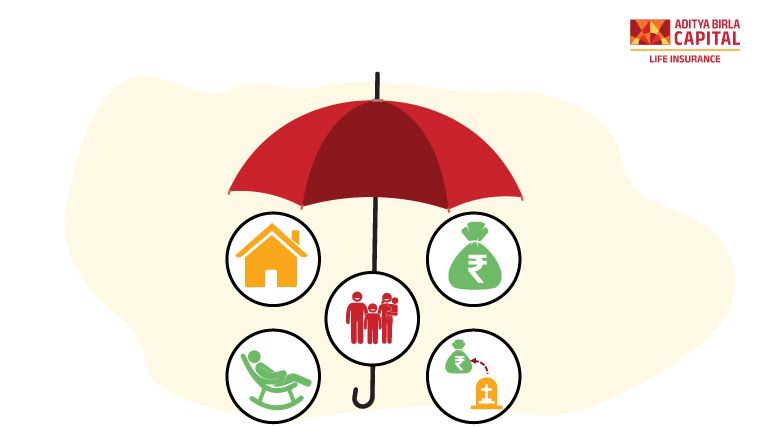
Not directly. A Life Plan can help in two ways: you can borrow against the surrender value of some policies, and the right cover can protect your family from your home loan if you die. Both depend on the policy type, so check your policy before planning around either. A Policy Loan is borrowing from the insurer against your policy, not a payout, and it has to be repaid. The second use, protecting the home loan, is about the death benefit and not about funding the purchase.
Which Life Insurance Policies allow a Loan?
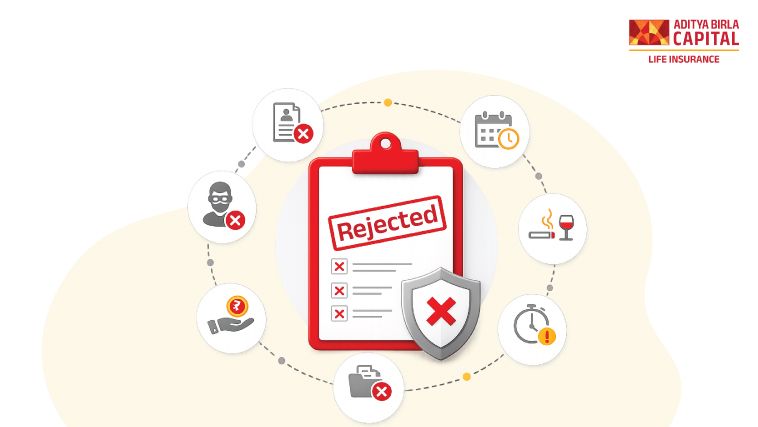
IRDAI requires every non-linked savings product that offers a surrender value to provide a Policy Loan facility based on the eligible surrender value. A Term Plan has no surrender value, so it does not allow a Loan, and Loans are not allowed against Unit-Linked Policies. Endowment, Moneyback, and Whole Life Plans are the usual examples of savings products. See the insurer's pages on endowment plans and read your own policy schedule for its surrender value table.
How much can you borrow against a Life Insurance Policy?
The amount depends on the eligible surrender value of your policy, and the insurer sets the maximum as a share of it. There is no single figure that applies to every policy. Ask the insurer for a written Loan statement showing the amount, the interest, and the repayment terms. Borrowing the maximum is rarely necessary. A larger Loan raises the interest that accrues and reduces what is left of your policy, so borrow only what the purchase needs.
What does a Policy Loan cost? How do you repay it?
You pay interest on a Policy Loan, at a rate the insurer sets. You can repay principal and interest during the policy term or pay only the interest and let the principal be deducted from the claim or maturity amount. The second-choice lowers what your nominee or you receive. Read the guide on what to check before taking a policy loan for the details and compare the repayment options against your nominee's needs.
What happens if you do not repay the Loan or stop paying premiums?
Keep paying your Life Insurance premium payment on time while the Loan is open. The grace period is 15 days for monthly premiums and 30 days for other modes. If the Loan and interest grow beyond the surrender value, or premiums lapse, you can lose the policy and its cover. Ask the insurer how it will inform you before the Loan and interest reach the surrender value and set a reminder to review the Loan balance each year.
What is an assignment of a policy to a lender?
Assignment transfers the rights in your policy to a lender, usually as security for a Loan, under Section 38 of the Insurance Act, 1938. The lender can recover what you owe from the policy if you do not repay. When the Loan is repaid, the assignment ends and the rights revert to you. An assignment is different from a nomination. Read how they differ in the guide to assignment versus nomination.
How does Life Insurance protect your family's Home Loan?
A Term Plan pays its sum assured to your nominee, and the nominee can use it to repay the Home Loan. It does not pay the lender directly unless the policy is assigned or the cover is a Loan protection product. Choose a cover that exceeds the outstanding Loan, not just equals it. Loan protection cover, often called credit life, is tied to a specific loan and is a different product. Read the guide to credit life insurance, and use the term insurance premium calculator to see what the cover costs.
What should you check before you borrow against your policy?
Before you borrow, check five things: whether your policy has a surrender value, the maximum Loan the insurer allows, the interest and how it accrues, how you will repay, and what your nominee would receive if you died with the Loan open. Read the Loan terms in writing before you sign anything.
- Eligibility: Only Non-Linked Savings Policies with a surrender value qualify, and the policy must be in force.
- Documents: Insurers typically ask for a Loan application form, the original policy document, and an assignment in the insurer's favour.
- Interest: Ask whether it accrues on the full Loan and how often it is reviewed.
- Repayment: Choose between paying interest only and paying principal with interest, knowing that unpaid principal is deducted from the claim.






 October 27, 2026
 5 mins





 Table of Contents


 BUY ONLINE