Life Insurance after 65 can be useful when another person would face a financial gap after your death. The decision depends on dependents, unpaid liabilities, business responsibilities, legacy goals, existing cover, and available assets. Age alone does not answer the question. Eligibility, premium, and policy term are determined by the chosen product and the insurer's underwriting.
Who may need Life Insurance after 65?
Life Insurance may remain relevant after 65 when the death of the insured person would create a measurable financial need. This can occur even after retirement, particularly where income, liabilities, or family responsibilities continue:
- A spouse or family member depends on pension, rent, or business income
- A Loan or other liability would remain unpaid
- A dependent requires long-term financial support
- A business needs continuity funding or liability protection
- The person wants to create a planned legacy and other assets may not provide enough liquidity
The decision should begin with the financial gap, not with a target cover amount copied from someone else. List the obligations that would continue, subtract assets, and existing Insurance intended for those obligations, and then assess whether new cover is needed.
When might new cover may not be necessary?
New Life Insurance may not be necessary when there are no financial dependents, major liabilities are settled, and available assets can meet the intended legacy or final obligations. In that situation, the premium may not address a genuine protection gap. Existing policies should be reviewed before buying another one. Check the remaining policy term, death benefit, nominee details, premium obligations, and whether the cover still matches the original purpose. Do not discontinue an existing policy without understanding the consequences.
Can you buy Life Insurance after 65?
It may be possible to apply for Life Insurance after 65, but the maximum entry age is product specific. IRDAI's Life Insurance product framework does not create one universal entry age for every policy. Each insurer sets eligibility within the approved product terms. Some products may not accept a new application at this age, while others may permit it subject to their entry limits and underwriting. Check the official prospectus rather than relying on a general statement about all insurance companies in India.
An application is not the same as acceptance. The insurer may request medical evidence and financial information, and the final terms may differ from an online illustration.
Why are premiums usually higher at older ages?
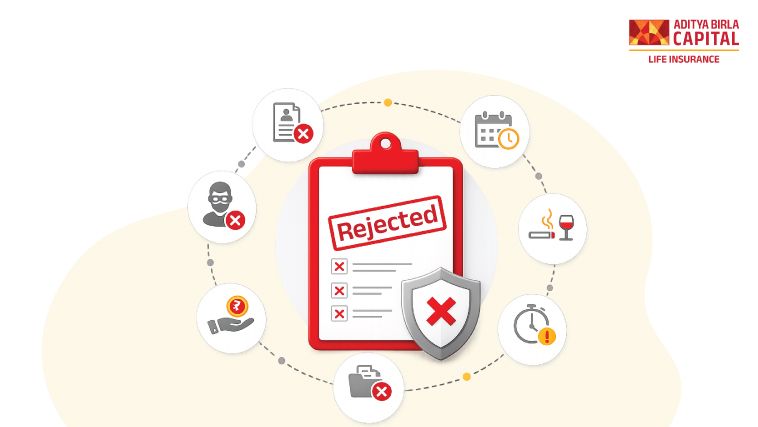
Age is an important pricing factor because Life Insurance premiums reflect the risk covered during the policy term. Older applicants may also undergo more detailed medical and financial underwriting. The premium can vary by age, health, lifestyle, occupation, cover amount, policy type, and policy duration. Pre-existing medical conditions do not produce one automatic result. The insurer reviews the condition, treatment, current status, and supporting reports.
The application may be accepted on standard terms, accepted with modified terms or a higher premium, postponed, or declined. Searching only for an affordable Term Insurance can lead to an unsuitable decision. Affordability matters, but the policy should also fit the required cover period, benefit structure, and ability to maintain premiums.
What medical and financial information may be required?
An older applicant should be prepared to provide complete medical and financial information. The insurer may request a medical examination, diagnostic reports, details of medication, past treatment, income evidence, and the purpose of the cover:
- Disclose diagnosed conditions and treatment accurately
- Mention medicines, hospitalisations, and surgeries when asked
- Provide consistent information across the proposal form and medical records
- Explain the financial need for the requested cover
- Keep copies of the proposal form, reports, and insurer correspondence
The common mistake is to leave out a condition because it appears controlled or old. If the proposal form asks for the information, disclose it. Let the insurer decide its relevance.
Which types of Life Insurance may be considered?
The suitable category depends on the need. Term Insurance is designed primarily to provide life cover during a defined policy term. Whole Life or Savings Plans have different structures, and Retirement and Pension Plans are intended mainly to provide retirement income rather than replace a protection-only policy. Do not treat every Insurance category as interchangeable. Compare the core purpose, death benefit, premium commitment, policy term, liquidity conditions, exclusions, and surrender provisions.
Product-specific eligibility can be especially important for an applicant over 65. If the need is income during retirement, review retirement and annuity options separately from the question of how much life cover beneficiaries need.
How should you estimate the required cover?
Estimate cover by identifying the financial obligations that would remain after death. Include liabilities, the period for which dependents require support, and any specific legacy commitment. Then deduct assets and existing Insurance that are genuinely available for those purposes. Use conservative assumptions and avoid counting the same asset twice. A home used by the family may not be available to repay a liability without disrupting living arrangements.
Similarly, an emergency fund may already be reserved for healthcare or household needs. A calculator can support the discussion, but it cannot determine eligibility or the premium. Those depend on the selected policy and underwriting.
What should you decide before applying?
Decide whether there is a real financial gap, how long the gap will last, and whether existing assets can meet it. If new cover is justified, compare only products for which the applicant is eligible and choose a premium commitment that can be maintained. Accurate disclosure and careful review of the issued policy remain essential.






 November 11, 2026
 5 mins





 Table of Contents


 BUY ONLINE