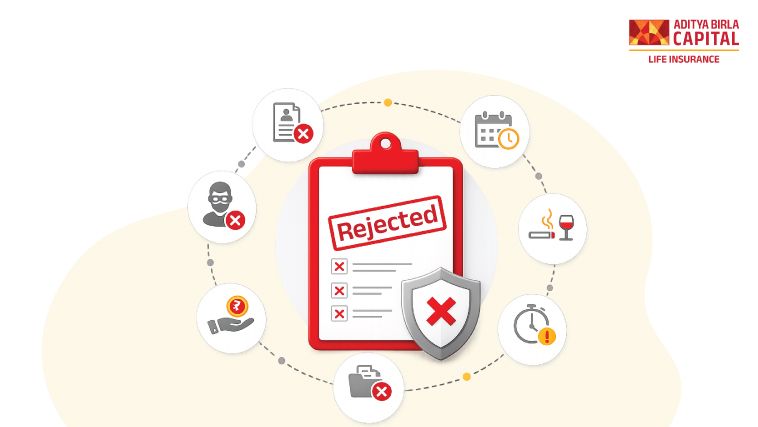
Buying Life Insurance after 60 may be possible in India, depending on the plan’s entry age, your health, financial circumstances, and the insurer’s assessment. Start by asking who would face a financial shortfall after your death. Then check whether eligible cover can address that need at a premium you can sustain.
Do you still need Life Insurance after retirement?
You may still need life cover if someone depends on your income, you have outstanding liabilities, or you want a defined financial benefit for your family. Retirement does not automatically remove those responsibilities. Equally, a new policy may be unnecessary if existing cover and available assets already meet the identified need.
Write down what changes financially if you die. Would a spouse lose pension income? Does an adult dependant need continuing support? Would the family struggle to repay a liability? Check the actual survivor pension entitlement before estimating a shortfall. These are planning questions, not reasons to buy cover automatically.
What is the difference between entry age and coverage age?
Entry age is the age at which you can start a policy. Coverage age describes how long protection can continue under an existing contract. A plan that offers cover into later life does not necessarily accept a new applicant at that age. Check both limits for the precise option you are considering.
For example, seeing “cover till age 100” does not mean someone aged 100 can apply. Payment term and plan option can also affect eligibility. Use the current prospectus and policy wording rather than a headline or an old article. For context, see the maximum age limit guide in the related reading below.
Which kind of benefit matches your financial need?
Choose the benefit by its purpose. Term cover generally addresses a financial loss on death during the policy term. A Savings Life Policy combines life cover with contractual savings benefits. An annuity is designed to provide income under its selected option. Eligibility and benefits differ, so these categories are not interchangeable.
If the concern is a dependent’s financial security after your death, examine the death benefit. If the concern is your own regular retirement income, examine income payments and the spouse’s position under the chosen arrangement. A policy marketed for retirement need not provide the level of death cover your family needs. Request the exact benefit schedule.
How can you estimate a suitable cover amount?
Estimate the family’s remaining financial gap rather than applying a salary multiple mechanically. List liabilities, the support dependents will need, and other specific commitments. Then account for existing life cover and assets genuinely available for those purposes. Keep your own living costs and medical reserve outside any amount already committed to family protection.
As an illustration only, liabilities of ₹8 lakh plus planned family support of ₹12 lakh total ₹20 lakh. If ₹5 lakh is already available for those needs, the indicative gap is ₹15 lakh. This is simple arithmetic, not a premium illustration, insurer offer, or prescribed cover level. Rework it using your circumstances and avoid counting the same asset twice.
Will you need medical tests or health disclosures?
You should expect questions about your health and may be asked to undergo medical tests. The requirements depend on the product, age, cover requested, and underwriting rules. An application made online does not itself remove those requirements, and completing a medical examination does not mean the insurer has accepted the proposal.
Answer every proposal question accurately, including questions about treatment, medication, past investigations, and tobacco or alcohol use. Ask the insurer for clarification when a question is unclear. Keep a copy of your answers and reports. Do not stop prescribed medication or hide a diagnosis to influence the assessment. Acceptance, revised terms, postponement, or refusal depend on the individual assessment.
How should you assess whether premiums are affordable?
Assess the premium against dependable retirement cash flow over the full payment period. A payment that seems manageable today can become difficult when medical costs or other expenses rise. Check the payment frequency, the total contractual commitment, and what happens if a payment is missed before accepting the policy.
Keep essential spending and an emergency reserve visible in the budget. A single premium requires money upfront. A recurring premium creates a continuing obligation. Ask for a personalised quotation using accurate details and read any additional underwriting terms. Do not use a younger applicant’s advertised price to estimate your own cost.
What should you check before accepting an offer?
Read the policy wording, benefit illustration where applicable and Customer Information Sheet together. Confirm the death benefit, coverage end date, premium payment period, exclusions, and conditions attached to each benefit. Ask how missed premiums affect cover and whether surrender or paid-up provisions apply to the particular contract.
Check nomination and contact details, preserve the proposal copy, and tell the nominee where the documents are held. If your family helps with the application, review the answers yourself before signing. Use the free-look opportunity to review the issued policy, check its deadline, cancellation procedure, and permissible deductions. Seek written clarification on anything that differs from what you understood.
How can ABSLI help you check your options?
Aditya Birla Sun Life Insurance can explain which currently available plans accept applications at your age and what documents its assessment requires. Request the relevant prospectus, policy wording, and a personalised quotation. Ask for confirmation of eligibility for the selected option rather than assuming every plan accepts every applicant over 60.
This article does not recommend a named product. Verify the current product version and its Unique Identification Number before making a choice. Any proposal remains subject to the applicable eligibility conditions and underwriting. An enquiry or quotation is not confirmation that cover has started.
What is the next step?
Prepare a short list of dependents, liabilities, existing protection, and available assets. Identify a cover period that matches the remaining responsibility. Then request eligible options and an affordable quotation, reading the issued terms before committing. If there is no meaningful financial gap, reconsider whether a new policy serves a clear purpose.






 October 19, 2026
 6 mins





 Table of Contents


 BUY ONLINE