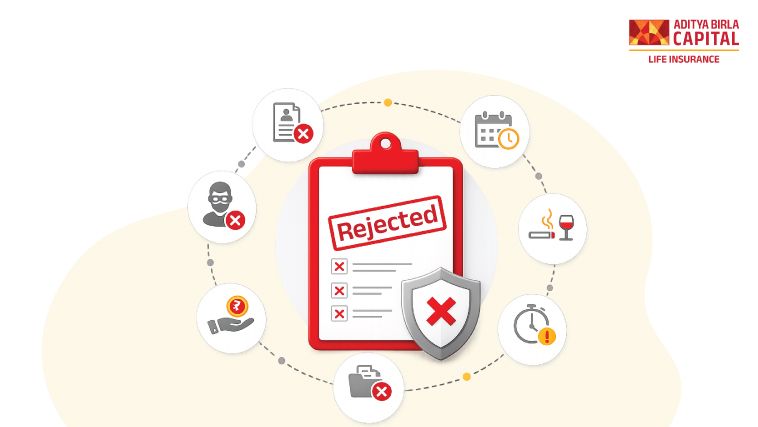
Life Insurance benefit may not be paid as a family expects if cover was not in force, the event falls outside the policy terms, or a material disclosure issue is established under the law. Some problems only delay payment while documents are checked. Read the policy schedule, benefit terms, and current status before assuming that every rejected or delayed claim has the same cause.
What does it mean when a Life Insurance Policy “fails”?
The phrase can describe different outcomes: the policy may have lapsed, a particular benefit may not apply, the insurer may request more information, or a claim may be repudiated with reasons. These are not interchangeable. The written claim decision and the contract explain which issue actually occurred. A nominee should ask for the precise clause and grounds if a claim is declined.
Can missing a premium stop life cover?
It can, after the applicable grace period ends, depending on the plan and its terms. A payment due date is not automatically the instant at which every benefit disappears. If the policy has acquired a paid-up value, some benefits may continue at a reduced level. Pure risk cover and Savings Policies can behave differently. Check the policy status and ask the insurer for a written statement of the available revival or other options before assuming cover remains active.
Set a payment reminder, maintain the payment account and check that a debit succeeded. If a payment was missed, contact the insurer promptly. Revival can require overdue premiums, interest or evidence of insurability as specified by the policy. Paying late does not prove the old cover has been restored. Keep the receipt and confirmation of revival.
Can an incorrect answer on the proposal lead to a declined claim?
A material misstatement or suppression of a fact can affect a claim, subject to Section 45 of the Insurance Act, 1938. The provision sets a three-year framework measured from the relevant policy or revival date and distinguishes fraud from other material misstatements. It requires written communication of the grounds and evidence when an insurer questions a policy. It does not mean that any spelling error or immaterial difference automatically defeats a claim.
Answer health, tobacco, occupation, and other questions accurately in the proposal. Review the copy before submission, correct mistakes in writing, and retain the acknowledgment. Do not rely on a verbal assurance that a detail need not be declared. If circumstances change later, read the contract and ask the insurer what, if anything, must be reported for an alteration or additional cover.
Do exclusions and benefit conditions matter?
Yes. A claim is assessed against the issued policy, including definitions, exclusions, waiting periods, and rider conditions where applicable. Different benefits can have different triggers. An accident-related benefit, for example, requires the event to satisfy its own definition even if the base life cover is valid. Read the schedule and wording together, and distinguish the base death benefit from any optional benefit. No particular exclusion should be assumed without checking the issued contract.
What happens if nomination details are old?
An outdated or missing nomination can complicate identification of the person who should receive policy money and may delay paperwork or lead to competing claims. It is not, by itself, proof that the insurer owes no benefit. Review nomination after marriage, separation, death, or another relevant family change. Obtain the insurer’s written acknowledgment of each update, and let the nominee know where the policy and claim instructions are kept.
Can incomplete claim documents cause a delay?
Yes. A nominee may need the claim form, death certificate, identity, and bank details, plus documents relevant to the cause of death or policy terms. The insurer should state what is missing and why it is needed. Submit a complete set where possible, record the submission date, and retain copies and acknowledgments. A request for further documents is not the same as a final denial.
What should you do if a claim is declined?
Ask for the written decision, the exact policy clause, and the material relied upon. Compare these with the proposal, policy schedule, premium receipts, and claim papers. If the decision appears mistaken, use the insurer’s grievance process and retain the complaint reference. Escalation options under the applicable IRDAI grievance framework or Insurance Ombudsman rules may then be available. Deadlines and eligibility depend on the route chosen, so check the current official process.
Practical checks before and after buying
Before purchase
- Choose cover and a premium you can sustain
- Disclose material facts in your own words
- Read the benefit and exclusion wording
- Check names, dates, and nomination on the issued schedule
During the policy
- Confirm each premium and policy status
- Store documents where a trusted nominee can find them
- Submit changes through a recorded channel
At claim time
- Notify the insurer
- Ask for a document checklist
- Preserve every acknowledgment and written decision






 September 29, 2026
 5 mins read





 Table of Contents


 BUY ONLINE