

- All Insurance
- Endowment Plans
- Savings PlansNew
- Term Insurance
- Pension PlansNew
- Critical Illness Insurance
- ULIP Plan
- Group Insurance
- Protection Solutions
- Employer Employee
- Voluntary
- Affinity
- Credit Life
- Retirement Solutions
- Annuity Scheme
- Gratuity
- Leave Encashment
- Post Retirement Medical Benefits Scheme
- Superannuation
- Withdrawn Products
- NRI Plans
- Articles
- Where Do I?
- Find Customer Service
- Learn About Life Insurance
- Become a Life Insurance Advisor
- Know Our Funds
- Manage My Claim
- Know more about UPI Autopay
- Read FAQs
- Register For One ABC Id
- Download Forms
- Read Market Outlook
- Download Public Disclosures
- Disclosure of Key Performance and Financial Parameters
- Financial Calculator
- Know your Advisor
- Term Insurance
- Manage My Policy
- Her Insurance

Connect
Aditya Birla Sun Life Insurance Company Limited



Aditya Birla Sun Life Insurance Company Limited
What Investors Should Do After Budget 2026
 May 25, 2026
 5 mins read

Plan Smarter, Live Better!


 Table of Contents
How Much Helpful You Found This Article?

Rated by 0 reader
/ 5 ( reviews )
Not helpful
Somewhat helpfull
Helpful
Good
Best

Thank you for your feeback
FAQs
After Budget 2026, investors should review their financial goals, assess their current investment portfolio, and understand whether any policy changes affect their financial planning. Maintaining a long-term investment strategy and ensuring diversification across different financial instruments can help investors remain financially stable.
Not necessarily. Investors should avoid making impulsive decisions immediately after the budget announcement. Instead, they should carefully analyse how the new policies affect taxation, savings incentives, and long-term financial goals before making any adjustments to their investment strategy.
Reviewing investments after the Union Budget helps investors understand whether policy changes influence their financial planning. Budget announcements may affect taxation, economic growth expectations, and investment opportunities, making periodic portfolio reviews beneficial.
Investors can rebalance their portfolio by reviewing their asset allocation and ensuring that investments remain aligned with their financial goals and risk tolerance. If certain investments have grown disproportionately, adjustments may be made to maintain a balanced portfolio.
Diversification spreads investments across different asset categories, reducing overall financial risk. A diversified portfolio can help investors manage market volatility and improve the stability of their long-term financial strategy.
Yes, long-term investing is generally considered a more effective strategy for building wealth. Short-term market fluctuations after budget announcements should not distract investors from their long-term financial goals.
Financial protection ensures that families remain financially secure during unexpected situations. Including protection-focused financial solutions within an investment plan helps strengthen overall financial stability.
An emergency fund helps individuals manage unexpected financial challenges such as medical expenses, job loss, or urgent household needs. Having emergency savings prevents investors from withdrawing long-term investments prematurely.
Professional financial advice can help investors understand how new policies influence their financial planning. Financial experts can guide investors in reviewing their portfolio, managing risk, and aligning investments with long-term goals.
Investors can strengthen their financial planning by reviewing their goals, maintaining disciplined investments, ensuring diversification, and staying informed about economic developments. Regular portfolio reviews and consistent investing can support long-term financial security.
Show All
Hide
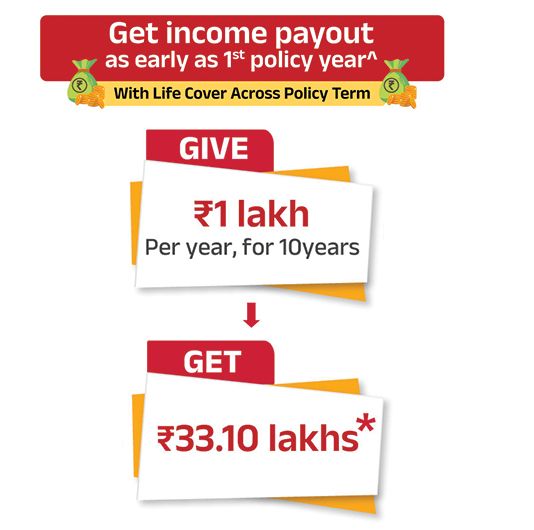
Get immediate income payout after 1 day of policy issuance^
ABSLI Nishchit Aayush Plan

Guaranteed# Income
Life Cover across policy term
Lumpsum Benefit at policy maturity.
Get:
₹39.22 lakhs~
Pay:
₹1 Lakh/year for 12 Years
 BUY ONLINE
Recently Added Article




Most Popular Calculator


This blog is for information and awareness purposes only and does not purport to any financial or investment services and do not offer or form part of any offer or recommendation. The information is not and should not be regarded as investment advice or as a recommendation regarding any particular security or course of action.
Every effort is made to ensure that all information contained in this blog is accurate at the date of publication, however, the Aditya Birla Sun Life shall not have any liability for any damages of any kind (including but not limited to errors and omissions) whatsoever relating to this material.
ADV/5/26-27/207

