

- All Insurance
- Endowment Plans
- Savings PlansNew
- Term Insurance
- Pension PlansNew
- Critical Illness Insurance
- ULIP Plan
- Group Insurance
- Protection Solutions
- Employer Employee
- Voluntary
- Affinity
- Credit Life
- Retirement Solutions
- Annuity Scheme
- Gratuity
- Leave Encashment
- Post Retirement Medical Benefits Scheme
- Superannuation
- Withdrawn Products
- NRI Plans
- Articles
- Where Do I?
- Find Customer Service
- Learn About Life Insurance
- Become a Life Insurance Advisor
- Know Our Funds
- Manage My Claim
- Know more about UPI Autopay
- Read FAQs
- Register For One ABC Id
- Download Forms
- Read Market Outlook
- Download Public Disclosures
- Disclosure of Key Performance and Financial Parameters
- Financial Calculator
- Know your Advisor
- Term Insurance
- Manage My Policy
- Her Insurance

Connect
Aditya Birla Sun Life Insurance Company Limited



Aditya Birla Sun Life Insurance Company Limited
What is Term Insurance and how does it work?
 September 7, 2026
 5 mins read
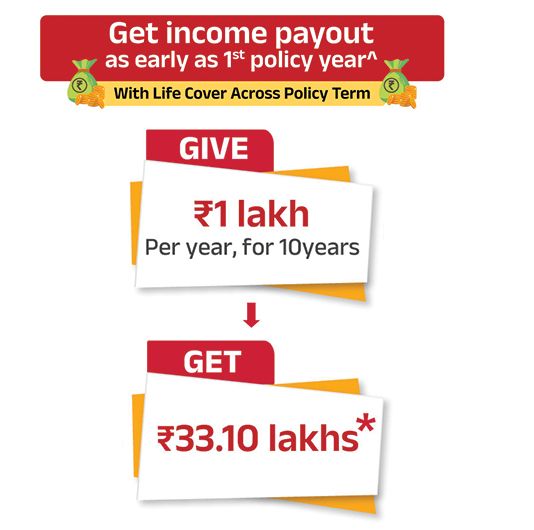

Plan Smarter, Live Better!



 Table of Contents
How Much Helpful You Found This Article?

Rated by 0 reader
/ 5 ( reviews )
Not helpful
Somewhat helpfull
Helpful
Good
Best

Thank you for your feeback
Frequently asked questions
Term Insurance is a type of Life Insurance. Life Insurance is the broader category, which also includes Savings Plans, while Term Insurance specifically refers to a pure protection plan without a maturity payout.
Yes. You can hold multiple Term Insurance Policies, subject to the insurer’s underwriting and eligibility criteria. Having more than one policy can help you structure cover around different financial responsibilities or increase your overall life cover as your income and liabilities grow.
This depends on the plan and its available features. Some policies may offer options to increase cover at specified life stages or under particular conditions. Otherwise, you may consider taking an additional Term Policy, subject to eligibility and underwriting.
For a standard Term Plan, the premium is usually fixed for the entire policy term once the policy is issued, though this can vary by plan type and should be confirmed in your policy document.
If you stop paying premiums, the policy may lapse after the applicable grace period, and the life cover may no longer remain active. The exact consequences and any revival options depend on the policy terms.
Show All
Hide
Buy ₹1 Crore Term Insurance at Just ₹575/month*
ABSLI Super Term Plan
Term plan designed for salaried individual.

3 Plan Options

Health Management Service Worth ₹74000

100% return of premium
Life Cover
₹1 crore
Premium:
₹575/month*
 BUY ONLINE
Recently Added Article



Most Popular Calculator


About the insurer: Aditya Birla Sun Life Insurance Company Limited (ABSLI). Registered Office: One World Center, Tower 1, 16th Floor, Jupiter Mill Compound, 841, Senapati Bapat Marg, Elphinstone Road, Mumbai 400013. IRDAI Reg. No. 109. CIN: U99999MH2000PLC128110. Toll-free: 1800-270-7000. Website: https://lifeinsurance.adityabirlacapital.com
For more details on risk factors, terms and conditions please read the sales brochure carefully before concluding a sale.
BEWARE OF SPURIOUS PHONE CALLS AND FICTITIOUS / FRAUDULENT OFFERS. IRDAI or its officials do not involve in activities like selling insurance policies, announcing bonus or investment of premiums. Public receiving such phone calls are requested to lodge a police complaint.
Tax benefits are subject to change as per prevailing tax laws (Income-tax Act, 1961). Please consult a qualified tax advisor.

