Aditya Birla Sun Life Insurance Company Limited

What Should You Do With Your Gratuity Money After Retirement?

Icon-Calender April 16, 2026
Icon-Clock5 mins read
4.5
Rated by 1000 readers
https://lifeinsurance.adityabirlacapital.comnullCLOSE-BUTTON

Plan Smarter, Live Better!

*Min 3 characters allowed
+91
*Please enter a valid 10 digit Mobile No
https://lifeinsurance.adityabirlacapital.comnullCLOSE-BUTTON
ICON-TICK

Thank you for your details. We will reach out to you shortly.

https://lifeinsurance.adityabirlacapital.comnullCLOSE-BUTTON
ICON-TICK

Currently we are facing some issue. Please try after sometime.

banner-imagemob-image
  • Icon-Index
    Table of Contents

Retirement is one of the most significant milestones in a person’s life. After decades of dedication, discipline, and hard work, you finally reach a stage where your time belongs to you. Along with emotional transitions, retirement also brings important financial decisions. One of the most important of these involves your gratuity money.

For many employees in India, gratuity is a substantial lump sum received at the end of their employment. It can represent years of service and commitment to an organisation. Naturally, the question arises: what should you do with this money after retirement?

Using your gratuity amount wisely can help create long-term financial stability, support your lifestyle during retirement, and ensure peace of mind for you and your family.

In this article, we will explore what gratuity is, how retirees typically receive it, and most importantly, the smartest ways to use your gratuity money after retirement.

Understanding Gratuity and Its Importance After Retirement

Gratuity is a financial benefit paid by an employer to employees as a token of appreciation for long-term service. In India, gratuity payments are governed by the Payment of Gratuity Act, 1972.

Employees typically become eligible for gratuity after completing five years of service with an organisation. When they retire, resign, or leave employment after this period, the employer pays them a lump sum amount based on their last drawn salary and years of service.

For many retirees, gratuity serves as a major financial cushion at the beginning of retirement.

This lump sum can be used to:

However, receiving a large amount of money at once also requires careful planning. Without proper financial management, retirees may find themselves exhausting their funds earlier than expected.

This is why planning what to do with your gratuity after retirement is extremely important.

Why Proper Planning for Gratuity Is Essential

Retirement income is usually limited. Once regular salary stops, individuals must depend on savings, investments, pensions, and other income sources. Your gratuity can become a foundation for financial stability in retirement if used wisely.

Here are some reasons why proper planning matters:

Longevity Risk
People today are living longer than ever before. A person retiring at 60 may need financial support for 25–30 years or more.

Your gratuity must therefore be managed in a way that supports long-term needs.

Rising Cost of Living
Inflation steadily increases the cost of everyday goods and services. Healthcare costs, in particular, rise faster than general inflation.

Proper investment of your gratuity can help your money keep up with these rising expenses.

Medical Emergencies
Healthcare needs increase with age. A medical emergency can significantly impact finances if you do not have sufficient savings or insurance coverage.

Keeping part of your gratuity as a financial buffer can help address such situations.

Financial Independence
Most retirees wish to remain financially independent without relying on their children or family members.

Using your gratuity wisely can help ensure a comfortable and dignified retirement.

How you can use your gratuity money after retirement?

Step 1: Assess Your Financial Situation After Retirement

Before deciding what to do with your gratuity money, the first step is to understand your complete financial picture.

Ask yourself the following questions:

  • Do you have any outstanding loans or liabilities?
  • Do you have a regular pension or retirement income?
  • How much are your monthly living expenses?
  • Do you have emergency savings?
  • What are your healthcare coverage arrangements?

Understanding these factors will help determine how much of your gratuity should be used for immediate needs and how much can be invested for long-term growth.

A well-structured financial plan allows you to allocate your gratuity strategically.

Step 2: Clear Any Outstanding Debts

One of the smartest uses of gratuity money after retirement is clearing any remaining debts.

Many retirees may still have obligations such as:

  • Home loans
  • Personal loans
  • Credit card dues
  • Vehicle loans

Carrying debt into retirement can create financial stress because monthly repayments continue even after your salary stops.

Using a portion of your gratuity to repay high-interest debts can provide several benefits:

  • Reduces financial burden
  • Improves monthly cash flow
  • Offers peace of mind
  • Allows you to start retirement without financial pressure

However, it may not always be necessary to repay low-interest loans immediately. Each situation should be evaluated carefully.

Step 3: Build an Emergency Fund

Even after retirement, unexpected financial situations can arise. Medical emergencies, home repairs, family needs, or other unforeseen events may require immediate funds. Financial experts often recommend maintaining an emergency fund covering at least 12 to 24 months of living expenses after retirement.

Your gratuity amount can help build this emergency reserve.

This fund should ideally be kept in easily accessible and relatively safe financial instruments so that you can withdraw money when needed without difficulty.

An emergency fund provides financial security and prevents the need to liquidate long-term investments during emergencies.

Step 4: Create a Regular Income Stream

One of the biggest financial concerns after retirement is the loss of monthly salary. To maintain your lifestyle, it is important to create a steady stream of income from your savings and investments.

Your gratuity money can be used to generate predictable income that supports daily expenses.

Many retirees prefer options that offer:

  • Stable income
  • Low risk
  • Long-term financial security

Certain financial products are designed to provide regular income during retirement, helping retirees maintain financial stability without worrying about market volatility.

Structured retirement income solutions can help convert your gratuity into a reliable cash flow that continues for many years.

Step 5: Invest for Long-Term Financial Security

While safety is important after retirement, it is also important that your money continues to grow. Simply keeping your entire gratuity amount idle may reduce its value over time due to inflation. A balanced investment approach can help protect your savings while also allowing them to grow.

Your investment strategy after retirement should ideally focus on:

  • Capital protection
  • Stable income generation
  • Moderate growth
  • Inflation protection

Diversifying your gratuity across different financial instruments can help achieve this balance.

It is advisable to evaluate investment options carefully and align them with your risk tolerance, financial goals, and retirement lifestyle needs.

Step 6: Plan for Healthcare Expenses

Healthcare is one of the biggest financial concerns during retirement.

Medical costs can increase significantly as individuals grow older. Hospitalisation, treatments, medications, and regular medical check-ups may require considerable funds.

Using part of your gratuity money after retirement to strengthen your healthcare planning is a wise decision.

This may include:

  • Purchasing additional health insurance coverage
  • Creating a medical emergency fund
  • Planning for long-term care needs

Having adequate financial provisions for healthcare ensures that medical needs do not disrupt your retirement savings.

Step 7: Support Family Goals Thoughtfully

Many retirees wish to use their gratuity to support their children or grandchildren.

This could include helping with:

  • Higher education expenses
  • Wedding costs
  • Home purchases
  • Starting a business

While supporting family is a generous and meaningful gesture, it is important to ensure that such contributions do not compromise your own financial security.

Your retirement savings should primarily support your long-term financial independence.

Financial experts often recommend prioritising personal financial stability before offering financial assistance to others.

Step 8: Consider Estate Planning

Retirement is also a good time to organise your financial affairs and plan for the future.

Estate planning ensures that your assets are distributed according to your wishes.

Your gratuity money may become part of your overall estate planning strategy.

This process may include:

  • Writing or updating a will
  • Nomination updates in financial accounts
  • Planning inheritance distribution
  • Organising financial documentation

Estate planning can reduce confusion and potential disputes among family members in the future.

Common Mistakes to Avoid When Using Gratuity Money

Receiving a large lump sum can sometimes lead to impulsive financial decisions. To protect your retirement savings, it is important to avoid certain common mistakes.

Spending the Entire Amount Quickly
Some retirees use gratuity money for large purchases or lifestyle upgrades immediately after retirement. While celebrating retirement is understandable, it is important to maintain financial discipline.

Investing Without Proper Understanding
High-return investment schemes may appear attractive but can carry significant risk. Retirees should avoid investing their entire gratuity in unfamiliar or high-risk instruments.

Ignoring Inflation
Keeping money idle for long periods can reduce its purchasing power over time. Investments should ideally include options that help your money grow gradually.

Lack of Diversification
Putting all your money into a single investment option increases financial risk. A diversified strategy can help protect your retirement savings.

Creating a Balanced Retirement Plan

Your gratuity can serve as an important building block for a comfortable retirement.

A balanced financial plan may involve allocating your gratuity across multiple priorities such as:

  • Emergency savings
  • Debt repayment
  • Income generation
  • Healthcare planning
  • Long-term investments

This structured approach ensures that your financial needs are met both in the short term and the long term.

Every retiree's financial situation is different, so financial planning should always be tailored to individual needs.

Final Thoughts

Receiving gratuity is a significant milestone that reflects years of dedication and professional commitment.

When used wisely, gratuity money after retirement can provide financial security, stability, and peace of mind.

Instead of viewing gratuity simply as a lump sum payout, retirees should see it as an opportunity to strengthen their long-term financial future.

By clearing debts, creating an emergency fund, building a steady income stream, and investing thoughtfully, retirees can make the most of their gratuity benefits.

With careful planning and disciplined financial management, gratuity can help ensure that retirement is not only comfortable but also financially secure.

How Much Helpful You Found This Article?

Rating_Star
Rated by 0 reader
/ 5 ( 0 reviews )
Not helpful
Somewhat helpfull
Helpful
Good
Best
RatingTick

Thank you for your feeback

Don’t forgot to share helpful information in your circle

FAQs

Gratuity received at the time of retirement is partially or fully tax-exempt depending on the employee’s category. For employees covered under the Payment of Gratuity Act, the tax exemption is available up to the prescribed limit set by the government. Any amount received above this limit may be taxable according to applicable income tax rules. It is advisable to review the latest tax provisions or consult a financial expert before planning how to use your gratuity funds.

Yes, gratuity can be invested after retirement. Many retirees choose to invest their gratuity money in financial instruments that provide stable income and long-term security. The goal is typically to create a reliable income stream that supports monthly expenses during retirement while preserving capital.

Using gratuity to repay outstanding loans can be a sensible financial decision, especially if the loan carries a high interest rate. Clearing debts reduces financial pressure and improves monthly cash flow after retirement. However, the decision should depend on your overall financial situation, retirement income sources, and remaining savings.

Financial experts often recommend keeping at least 12 to 24 months of living expenses as an emergency fund after retirement. Since retirees typically do not have active income sources, maintaining sufficient emergency savings is essential. A portion of your gratuity can be allocated for this purpose to handle unexpected expenses.

One common approach is to invest gratuity money in financial solutions designed to provide predictable and stable income during retirement. These solutions convert a lump sum amount into regular payouts, helping retirees manage their daily expenses while maintaining financial stability.

Yes, gratuity forms an important part of retirement planning. It can be used to build a retirement corpus, generate income, or strengthen financial security during the post-retirement years. Many retirees use gratuity alongside pension benefits and other savings to support their retirement lifestyle.

It may not always be advisable to invest the entire gratuity amount in a single investment or financial instrument. A diversified strategy can help balance risk and returns. Many retirees prefer allocating their funds across different financial options such as income-generating plans, emergency funds, and safe investments.

Ideally, gratuity money should be managed in a way that supports your retirement needs for many years. With increasing life expectancy, retirees may require financial resources for 20 to 30 years after retirement. Proper planning and disciplined spending can help ensure that gratuity funds last longer.

Yes, many retirees allocate a portion of their gratuity towards healthcare planning. This may include building a medical emergency fund, purchasing health insurance coverage, or setting aside money for future medical expenses. Healthcare costs tend to increase with age, so planning ahead is important.

Some common mistakes include spending the entire gratuity amount quickly, investing in high-risk schemes without proper understanding, ignoring inflation, and failing to create a long-term financial plan. Retirees should prioritise financial stability, steady income, and capital protection when using their gratuity funds.

Show All
Hide

Thank you for your details. We will reach out to you shortly.

Thanks for reaching out. Currently we are facing some issue.

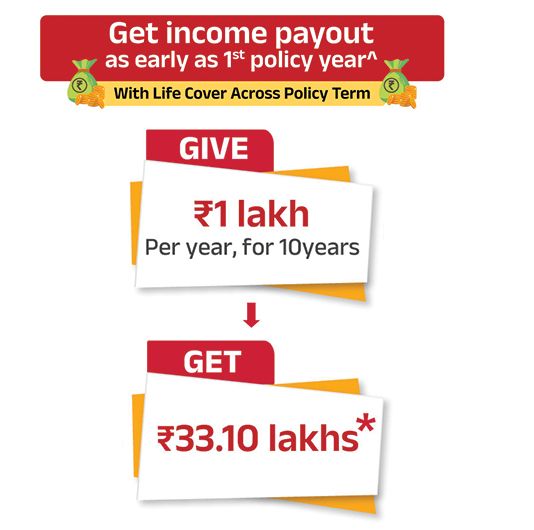
Give ₹1 lakh/ month for 5 years and Get ₹ 4.01 lakhs every year till your life1

*Min 3 characters
+91phone-icon
*Please enter a valid 10 digit Mobile No.
*This field is required.

ABSLI Guaranteed Annuity Plus

Multiple annuity options, Regular income stream.

ICON-CLICK

Guaranteed# lifelong income

Icon-Income-Benefit

Top-up option for annuity

ICON-CLICK

Single/Joint Life cover option

ICON-CLICK

Deferred annuity option

Give :
₹ 1 lakhs/Month for 5 year¹

Get :
₹4.06 lakhs/-

With effect from 1st April 2026, the provisions of the Income Tax Act, 2025 shall prevail. Accordingly, any references to sections mentioned above shall be construed as corresponding to the relevant section and provisions of the applicable prevailing Act, as amended from time to time.

Please note that we have provided our above views based on current interpretation of income tax provisions. Such interpretations may differ at customer’s consultant level. ABSLI shall not be responsible for tax positions adopted by customer.

This blog is for information and awareness purposes only and does not purport to any financial or investment services and do not offer or form part of any offer or recommendation. The information is not and should not be regarded as investment advice or as a recommendation regarding any particular security or course of action.

Every effort is made to ensure that all information contained in this blog is accurate at the date of publication, however, the Aditya Birla Sun Life shall not have any liability for any damages of any kind (including but not limited to errors and omissions) whatsoever relating to this material.

ADV/4/26-27/48

whatsapp-imagewhatsapp-image