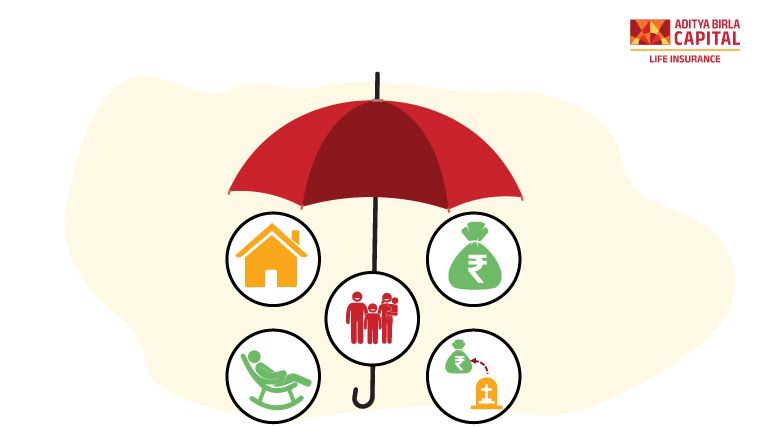
Life Insurance is a contract under which an insurer provides specified benefits in return for premiums. If the insured person dies while covered, a death benefit is payable to the eligible claimant, subject to the policy terms. Some policies also provide survival or maturity benefits. These are not features of every Life Insurance Policy. The practical question is what your household would need if your income or unpaid care work stopped.
Understanding that need makes it easier to choose the amount of cover, its duration, and the premium you can continue paying. Start with the benefit you need, then examine the contract that provides it.
How does a Life Insurance Policy work?
You apply for cover, disclose the information requested, and select the policy benefits. The insurer assesses the application and decides whether to offer cover and on what terms. Once issued, the policy records the insured person, benefits, premium obligations, and coverage period. Payment depends on the insured event and applicable conditions.
Submitting a proposal or paying money does not by itself establish that every requested benefit has begun. Confirm the acceptance terms and commencement of risk in the issued documents. Save the proposal copy, policy schedule, customer information sheet, and benefit illustration where applicable. These help you compare what was explained with what was issued.
Which Life Insurance terms should you understand first?
The policyholder owns the contract, while the life assured is the person whose life is covered. The premium is the amount payable for the policy. Sum assured describes an agreed cover amount, but the actual death benefit follows the contract’s formula. The nominee is the person recorded to receive the claim, subject to applicable law. Policy term means the duration of the contract. Premium payment term means how long premiums must be paid. These periods need not be identical.
A maturity benefit is payable on reaching the contract’s maturity date only if that benefit exists and its conditions are met. Surrender means ending an eligible policy early for its applicable value.
Who may need Life Insurance?
Life Insurance may be relevant when someone relies on your earnings, you share financial liabilities or your unpaid work would be costly to replace. The need depends on the household’s resources and obligations. A person without dependents or significant liabilities may have a different protection requirement from a parent supporting children. Consider rent or Loan repayments, food, education, and support for elderly relatives.
For a homemaker, consider the cost of replacing childcare and other care work rather than assuming that no salary means no financial contribution. This is a planning approach, not an assurance that any particular applicant will qualify for a chosen cover amount.
What types of Life Insurance can you consider?
Life Insurance includes protection focused term cover and policies combining life cover with other contractual benefits. Savings Policies may offer maturity or scheduled survival benefits. Whole Life Policies provide cover for the duration specified in the contract. Linked policies have fund based values. Product names alone do not explain all payout conditions.
Pure Term Insurance ordinarily pays for a covered death during the policy term and has no maturity benefit. An Endowment Policy may combine death cover with a maturity payout. Money back designs may provide scheduled survival payments. Whole life cover should be checked for its maximum coverage age and payment structure.
A Unit-Linked Insurance Policy (ULIP) combines life cover with fund-based benefits. It is an Insurance product with market risk and charges. Read the death benefit formula, fund choices, charges, and withdrawal conditions instead of assuming that the premium becomes the fund value in full.
How do Linked and Non-Linked Life Insurance differ?
In a Linked Policy, fund related benefits depend on the value of units held in selected funds. Those values can rise or fall. Non linked benefits are not calculated using such unit values, but their payment still depends on the contract. Neither classification tells you, in itself, whether a maturity benefit is available. Linked Funds can have different asset allocations, so “linked” should not be reduced to stock market exposure alone.
Charges affect the units or value available. With a Non-Linked Policy, check the scheduled benefits, eligibility conditions, surrender provisions, and whether any bonus depends on future declarations. Avoid treating every Non-Linked Policy as a promise of returns.
What are Participating and Non-Participating Policies?
A Participating Policy can share in the insurer’s distributable surplus through bonuses declared under its terms. Future bonuses depend on declarations and should not be assumed in advance. A Non-Participating Policy does not share that surplus. Its benefits follow the contract, which may provide protection, savings, or another permitted Insurance benefit.
These labels answer a different question from linked versus non-linked. Ask whether each illustrated amount is a contractual benefit or a non assured projection. A Non-Participating Term Policy can have a death benefit without a maturity payout. A Participating Policy’s projected future bonus should not be treated as an already earned amount.
How much life cover should you choose?
Estimate what your family would need for ongoing expenses, liabilities, and future goals, then deduct resources genuinely available for those purposes. Choose a coverage period that matches the years of financial dependence. This produces a starting estimate rather than a universal salary multiple, and it should be reviewed when your circumstances change.
Illustration only: If liabilities are ₹20 lakh, planned education costs ₹15 lakh and estimated household support ₹50 lakh, the total is ₹85 lakh. Deducting ₹10 lakh of available resources gives a starting gap of ₹75 lakh. These assumed figures are arithmetic, not a recommendation or insurer quote. Inflation and future changes require separate consideration.
What affects the premium and what should you disclose?
Premiums depend on the product, chosen benefits, and the insurer’s assessment of the applicant. Age, health, tobacco use, occupation, and other requested information can matter. Give complete and accurate answers in the proposal form. Acceptance, additional medical requirements, and any modified terms are determined by underwriting. A quote does not promise issuance.
Do not leave questions unanswered because someone says the information is unnecessary. Read the completed form before signing or submitting it, and ask for corrections in writing. For a practical checklist, see What to Check in a Life Insurance Proposal Form Before Submitting.
What should you check before buying and after receiving the policy?
Check the death benefit, exclusions, premium schedule, policy duration, and any maturity or survival benefit. Review how missed payments, early exit, and revival are treated. After receipt, compare the issued documents with your proposal and explanation of benefits. Ask the insurer about discrepancies promptly and use the applicable free look process where appropriate.
Confirm the nominee’s details and tell your family where the policy is stored and how to contact the insurer. Review the customer information sheet alongside the full contract. Do not assume that cancelling always returns the full amount paid.
How can ABSLI help you understand a policy?
Aditya Birla Sun Life Insurance Company Limited provides policy documents, customer service, and claims information through its official channels. Ask for the relevant prospectus, customer information sheet, and benefit illustration where applicable. Use these documents to check eligibility, product classification, and benefits before deciding whether the policy meets your needs.
The suitability of a policy depends on your circumstances and its terms. This explanation does not recommend a named product or promise application acceptance.






 October 1, 2026
 5 mins




 Table of Contents


 BUY ONLINE