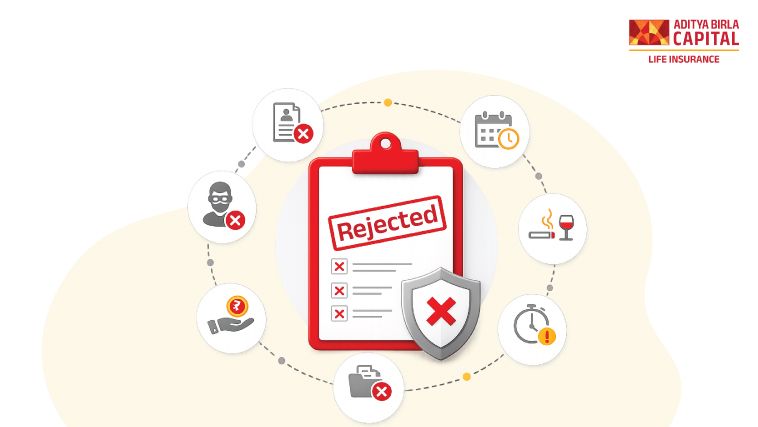
If you stop paying Life Insurance premiums before completing your payment term, the outcome depends on your policy and how long you have paid. Cover may continue during a grace period, then lapse, reduce or follow linked-policy discontinuance rules. Contact your insurer before assuming either that everything is lost or that full protection continues.
What should you check before missing another premium?
Start with your policy schedule, premium payment term, and current status. Identify whether the policy is pure protection, Non-Linked Savings, or Unit-Linked Insurance. Then request the exact grace-period deadline and benefits remaining after it. Completing an agreed limited payment term is different from stopping payments early.
Make a short record of your last successful payment, next due date, and any failed debit. Ask the insurer to confirm these against its records. A bank debit message alone may not tell you whether the insurer has allocated the payment to your policy. Keep the receipt and service request number together.
Does cover end immediately after the due date?
A missed due date does not necessarily end life cover immediately. A grace period generally allows payment while cover continues under the contract. Monthly payment commonly has 15 days and other payment frequencies 30 days, although the issued terms can provide differently. Confirm your own deadline.
For the detailed explanation, read the Insurance grace period guide. Do not treat the grace period as a planned extension every month. If a claim arises during it, the insurer applies the relevant claim provisions and any contractual adjustment for unpaid premiums. Ask for written clarification if the deadline or amount due is unclear.
How does the outcome differ by policy type?
After the grace period, there is no single outcome for every Life Insurance Policy. Pure protection may lapse, eligible Non-Linked Savings cover may continue with reduced benefits, and ULIPs follows discontinuance provisions. The issued policy and premium history determine the actual position, including any remaining value.
Use the distinctions below as a starting point for a service enquiry. They do not calculate your entitlement or replace the policy document. A policy label alone cannot establish whether a particular benefit remains payable.
|
Policy category
|
What to confirm after grace expiry
|
|
Pure protection
|
Whether cover has lapsed and the applicable revival route.
|
|
Non-linked savings
|
Whether paid-up or surrender benefits have been acquired.
|
|
Unit-linked insurance
|
Lock-in position, discontinued fund, reduced cover and payout options.
|
What does reduced paid-up status mean?
Reduced paid-up status allows an eligible policy to continue with smaller benefits after premiums stop. It does not preserve the original full benefits. Ask for a written statement of the reduced death and maturity benefits and any effect on future additions or attached benefits before relying on this status.
Compare that statement with the amount your family would need for household expenses, debts, and other commitments. If the reduced benefit leaves a shortfall, record it explicitly. Do not use a simple premiums-paid ratio to estimate every benefit: different components can follow different contractual calculations.
Will you receive all your premiums back?
Stopping payments does not create an automatic refund. Surrender is a separate request to end an eligible policy and receive its applicable surrender value. That value can differ substantially from premiums paid. Request a current quotation and understand which benefits end before giving surrender instruction.
Read the surrender value guide to understand the distinction. Ask for a dated quotation showing deductions and any outstanding Loan adjustment. Compare the amount available now with the benefits you would retain under paid-up status. Do not assume that money shown in an illustration is immediately available for withdrawal.
What happens if the policy is unit-linked?
ULIPs have specific discontinuance rules. During the five-year lock-in, non-payment can stop risk cover and move the fund value, after applicable discontinuance charges, into a discontinued policy fund. Later discontinuance has different provisions, including reduced paid-up treatment. Payout timing depends on the contract and the option exercised.
A remaining fund balance does not establish that full life cover continues. Ask separately about cover status, current fund position, charges, revival options, and the date proceeds become payable. ULIPs involve market risk. It should not be described as a source of assured returns.
Can you revive a policy after it lapses?
Revival may be possible within the permitted window, but paying arrears alone may not restore cover. The insurer can require declarations, evidence of continued insurability, and underwriting acceptance. Ask for the amount payable, required documents, and written confirmation of when the revived cover takes effect.
Request the deadline calculated from your first unpaid premium date rather than guessing from the date you noticed the lapse. Check whether the requested payment includes interest or other permitted charges. Keep copies of health disclosures and do not assume that an application acknowledgement is acceptance.
What can you do if the premium is unaffordable?
Before stopping, ask the insurer which contractual options are available and request their financial effects in writing. Depending on the policy, these might include a permitted frequency change, reduced paid-up status, surrender, or another servicing option. None should be assumed available simply because another policy offers it.
Prepare a realistic household budget before agreeing to a revised arrangement. A smaller instalment can feel easier, but compare the total payable and timing. Ask whether a change affects benefits. If you are considering replacement cover, assess its acceptance, commencement, and exclusions before deciding what to do with existing protection.
How can ABSLI help you check your options?
ABSLI policyholders can use the official servicing channels to request policy status, payment allocation, a revival quotation, and any applicable paid-up or surrender figures. Keep your policy number and payment records ready. The response should relate to your issued policy version and endorsements, rather than a general online description.
Ask for a written comparison of the available contractual options. Keep contact details current and check that an auto-debit mandate has sufficient funds and remains active. Calendar reminders and a dedicated premium reserve can help you organise payments. Still verify that each payment was successfully received.






 October 16, 2026
 5 mins




 Table of Contents


 BUY ONLINE