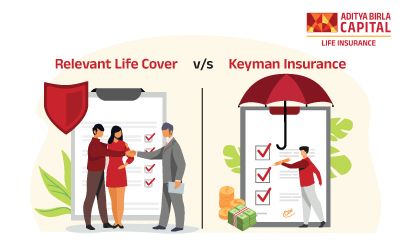
Relevant life cover and Keyman Insurance address different protection needs, but the terminology needs care in India. Relevant Life Policy is a UK tax concept. For an Indian business, the practical question is whether the Insurance should support an employee’s dependants or protect the business when an important person dies.
What does relevant life cover mean for an Indian reader?
Relevant Life Policies have a specific meaning under UK tax legislation and HMRC guidance. That framework cannot establish eligibility, tax relief, or policy availability in India. If an Indian employer wants family protection for staff, ask about the actual employee Life Insurance arrangement available under an Indian insurer’s approved contract.
Start with the intended recipient and the employment benefit you want to provide. An employer might arrange Group Term Life Cover or explore an employer employee arrangement. These are not interchangeable merely because the employer pays the premium. Ask who owns the policy, who is insured, and how benefits reach the intended recipient.
What is Keyman Insurance intended to protect?
Keyman Insurance is intended to address the business impact of losing an important person. The business normally arranges cover on that person’s life for its own protection. The Indian tax definition is broader than a job title and includes business connections. Actual acceptance still depends on the insurer’s eligibility and underwriting requirements.
For planning, identify the tasks that would stop without that person: handling major customers, supervising specialised production, or managing a critical project. Document the likely disruption and replacement costs. These are planning considerations, not an insurer approved formula. Ask the insurer which evidence it requires before selecting a proposed sum assured.
How do employee family protection and keyman protection differ?
The useful distinction is the need to be funded: employee family protection seeks to support dependents, while keyman protection seeks to support business continuity. Ownership and payment arrangements must reflect that objective. A policy paid for by a company does not, by that fact alone, settle who receives its benefits.
|
Question
|
Employee family protection in India
|
Keyman arrangement
|
|
What is the objective?
|
Support eligible employee dependants.
|
Protect against business disruption.
|
|
Who arranges cover?
|
Employer under the chosen group or individual structure.
|
Business on an eligible business connected life.
|
|
Who receives benefits?
|
As the scheme and policy specify.
|
Normally the business, subject to rights and assignment.
|
|
What needs checking?
|
Membership, nomination, payment and exit rules.
|
Ownership, insurable interest, and financial justification.
|
|
Can tax relief be assumed?
|
No; assess the actual arrangement.
|
No. Assess premiums and receipts separately.
|
For example, an employer could want a bereaved employee’s household to meet living expenses while also needing cash to recruit a replacement. Treat those as separate objectives. Do not count a business payable benefit as money available to the family unless the legal arrangement expressly supports that outcome.
Who owns the policy and who can receive the claim?
Policy ownership, the life insured, and the person entitled to payment are different roles. In employer group cover, the employer is generally the master policyholder and employees are insured members. In a keyman arrangement, clarify the business’s rights in the schedule and any assignment. Verify the actual payment process before relying on it.
Ask for written confirmation of the payee, required claim documents, and any lender assignment. Read the guide to insurable interest when considering why a business may insure another person’s life. Nomination and ownership should not be treated as substitutes for checking the contract and legal rights.
How should a business approach tax treatment?
Do not assume that employer paid Life Insurance automatically creates a business deduction or an exempt payout. Keyman receipts are excluded from the Life Policy exemption in Schedule II of the Income Tax Act 2025. Their income category depends on the recipient and facts, including whether business income, salary or other sources treatment applies.
Ask a tax adviser to assess premium deductibility, the recipient of the benefit, and any proposed assignment separately under the law applicable to the relevant period. Avoid importing UK tax treatment or treating older section references as current advice. Recheck the applicable consolidated legislation before completing a transaction.
Does cover include illness disability or automatic continuation?
A life cover label does not establish illness or disability benefits. Benefits, exclusions, and claim triggers must be checked in the relevant policy or rider wording. Employee cover also does not automatically continue after resignation, retirement, or a change of employer. Any conversion option must satisfy the contract’s specific conditions. For each proposed benefit, request the definition of the insured event, evidence needed, exclusions, and whether payment reduces or ends the remaining life cover.
Obtain the exit provisions before an employee leaves. An insurer’s conversion option for a particular event should not be read as a general right to transfer cover to any new employer.
How can you decide which protection your business needs?
Choose the objective before comparing policies. If the concern is employee dependents, examine employee life benefits. If the concern is disruption after a key person’s death, examine business protection. A business with both needs should evaluate them separately, checking eligibility, payment rights, affordability, and underwriting rather than relying on the label alone.
Prepare a short-written checklist: the intended recipient; the event to be covered. The proposed cover amount and supporting rationale, the premium payer, the owner, the claim process, and what happens when employment changes. Review it with the insurer, then ask your legal and tax advisers to assess the structure. A contractor or director should not assume eligibility from an overseas example. Explain the actual relationship with the business and seek written underwriting confirmation.
Also review the business continuity plan itself: recruitment, delegated authority, and access to operational records are practical planning needs alongside Insurance.
How can ABSLI help clarify the available arrangement?
ABSLI can be contacted to explain its available Life Insurance arrangements and the documents needed to assess eligibility. Request the current approved prospectus, policy wording, and benefit schedule, including the product classification and UIN. Do not assume that a generic enquiry establishes a UK style relevant life policy or an accepted keyman proposal.
For a business enquiry, describe the protection objective and intended recipient clearly. Ask for written clarification of ownership, underwriting, and any continuation option. Tax and legal treatment should be assessed by the appropriate advisers before proceeding.






 October 9, 2026
 6 mins


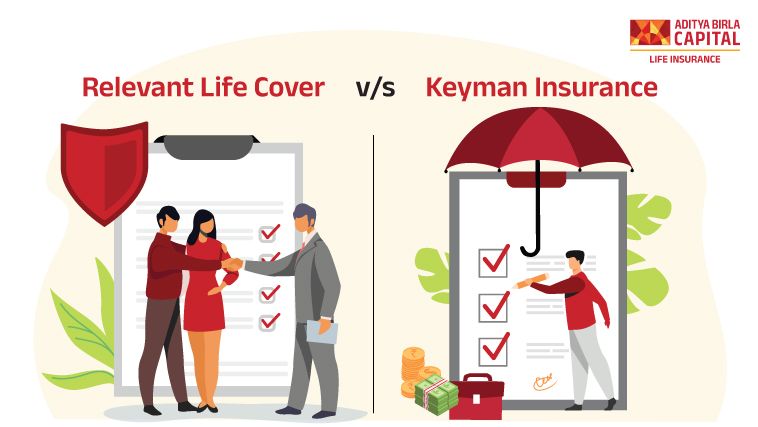
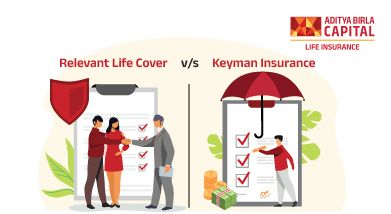
 Table of Contents


 BUY ONLINE