

- All Insurance
- Endowment Plans
- Savings PlansNew
- Term Insurance
- Pension PlansNew
- Critical Illness Insurance
- ULIP Plan
- Group Insurance
- Protection Solutions
- Employer Employee
- Voluntary
- Affinity
- Credit Life
- Retirement Solutions
- Annuity Scheme
- Gratuity
- Leave Encashment
- Post Retirement Medical Benefits Scheme
- Superannuation
- Withdrawn Products
- NRI Plans
- Articles
- Where Do I?
- Find Customer Service
- Learn About Life Insurance
- Become a Life Insurance Advisor
- Know Our Funds
- Manage My Claim
- Know more about UPI Autopay
- Read FAQs
- Register For One ABC Id
- Download Forms
- Read Market Outlook
- Download Public Disclosures
- Disclosure of Key Performance and Financial Parameters
- Financial Calculator
- Know your Advisor
- Term Insurance
- Manage My Policy
- Her Insurance

Connect
Aditya Birla Sun Life Insurance Company Limited



Aditya Birla Sun Life Insurance Company Limited
Why does the Life Insurance gender gap matter in India in 2026?
 August 20, 2026
 5 mins
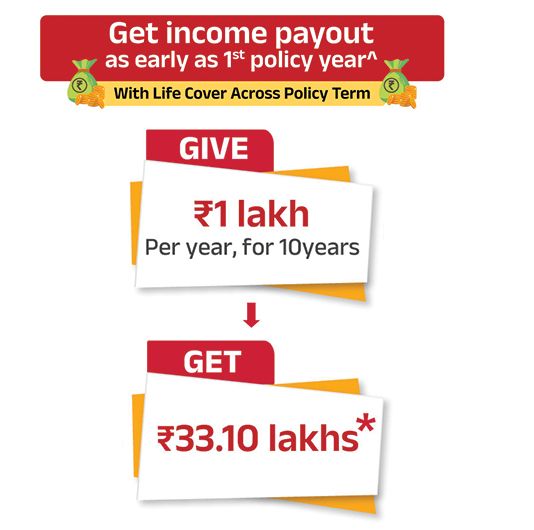

Plan Smarter, Live Better!


 Table of Contents
How Much Helpful You Found This Article?

Rated by 0 reader
/ 5 ( reviews )
Not helpful
Somewhat helpfull
Helpful
Good
Best

Thank you for your feeback
Frequently asked questions
Five important benefits are income protection, debt protection, support for long-term goals, financial independence, and continuity of family finances. The appropriate benefit and amount depend on the policy terms and the woman's financial responsibilities. ABSLI's FY 2025-26 audited claims data reports that 98.86% of individual claims were settled, with 630+ crore in total claims settled.
Women may receive lower premiums for comparable cover in some products because actuarial pricing can reflect mortality and longevity differences. However, IRDAI's FY 2024-25 Annual Report does not provide a universal gender-specific mortality percentage that supports a fixed premium discount across all insurers. Actual pricing depends on individual underwriting and product terms.
Compare the sum assured, policy term, premium-payment term, exclusions, riders, payout options, and eligibility rather than looking only at price. A calculator can help estimate the required cover before comparing products. The final choice should match the family's protection needs and affordability.
Employer-provided Insurance can be useful, but coverage may be linked to employment and may change when a person changes jobs or retires. Individual Life Insurance can provide an additional layer of protection under its own policy terms. Women should compare their employer cover with their family's actual financial needs.
Consider income, dependents, liabilities, existing Insurance, future goals, policy duration, premium-payment structure, exclusions, and nominee details. Use a calculator for an indicative estimate and read the policy document and prospectus carefully before purchase.
Show All
Hide
Buy ₹1 Crore Term Insurance at Just ₹575/month*
ABSLI Super Term Plan
Term plan designed for salaried individual.

3 Plan Options

Health Management Service Worth ₹74000

100% return of premium
Life Cover
₹1 crore
Premium:
₹575/month*
 BUY ONLINE
Recently Added Article




Most Popular Calculator


This article is for informational purposes only and should not be considered financial, investment, insurance or tax advice. Premiums, product features, benefits, eligibility, discounts and illustrations are subject to underwriting, applicable taxes and policy terms. Calculator results are indicative and do not constitute a final premium quote. Claim settlement ratios are historical indicators and do not guarantee future claim outcomes. The gender-based discussion should not be interpreted as a guarantee of lower premiums for any individual. Please read the relevant policy document, prospectus and applicable terms carefully before purchasing an insurance product.
Aditya Birla Sun Life Insurance Company Limited is registered with the Insurance Regulatory and Development Authority of India (IRDAI) as a life insurance company. Product availability, benefits, eligibility, premiums and underwriting are subject to applicable product and policy terms.

