Millennials need Life Insurance when their income supports another person, a Home Loan, or other shared debt could affect family, or a future financial responsibility should be protected. Age group alone does not decide the need. The decision should follow the size and duration of the financial gap that death would create. A reader who has no dependents and no shared liabilities may have a lower immediate need.
A reader supporting parents, raising children, repaying a joint Home Loan, or running a business may need protection even without fitting a traditional family profile.
What is Life Insurance?
Life Insurance is a contract between the policyholder and the insurer. In return for premiums and compliance with policy conditions, the insurer provides the stated benefit when a covered event occurs. A death benefit can help the nominee manage liabilities and expenses after the life assured dies. The policy document sets out the sum assured, policy term, premium payment obligations, exclusions, nomination, and claim requirements. Read the product prospectus and policy wording carefully rather than relying only on a sales summary or premium quote.
Which millennial life stages create a clear need?
A need usually appears when financial independence is accompanied by responsibility for someone else. The trigger may be a family commitment, debt, entrepreneurship, or a change in employment benefits:
- Supporting parents or another family member from regular income.
- Taking a Home Loan with a co-borrower or creating a liability that could affect the family estate.
- Getting married, becoming a parent, or planning long-term education support.
- Building a business whose continuity depends on the founder or partner.
- Relying only on employer-provided life cover that may end with the job.
Is employer life cover enough?
Employer-provided group life cover is useful, but it should not be assumed to be sufficient or permanent. The benefit amount is set by the employer's scheme, and the cover may change or end when employment changes. Compare the scheme benefit with personal responsibilities and the period for which protection is required. Keep a copy of the scheme details and nomination record. If there is a gap, personal cover can be evaluated separately. This avoids tying the entire protection plan to one employer.
How should a Home Loan affect the decision?
A Home Loan can create a clear protection need when another person shares the repayment obligation or depends on retaining the home. Estimate the outstanding liability and consider whether the surviving household could continue repayments from available income and assets. Do not assume that every Home Loan includes adequate life cover. Check the Loan documents and any separate insurance certificate.
Understand whether the cover is level or reducing, who receives the benefit, and whether the policy continues if the loan is transferred or prepaid.
How much cover should a millennial consider?
Start with the financial gap: continuing family support, outstanding liabilities, education commitments, and other essential goals. Subtract assets and existing cover that are available for those needs. The remaining amount is a planning estimate for the sum assured. A Term Plan premium calculator can help compare indicative premiums for different inputs.
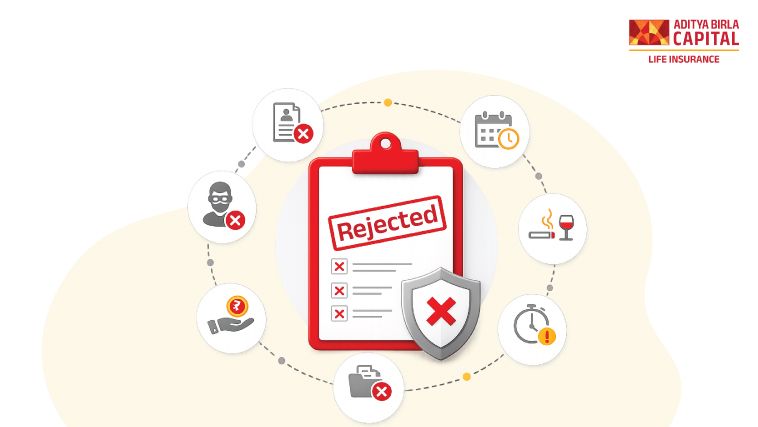
It does not confirm eligibility or the final premium. The application is assessed through underwriting, and accurate disclosure of health, occupation, habits and other requested information is essential.
How to look for affordable Life Insurance without cutting protection?
Affordable Life Insurance is not simply the policy with the lowest displayed premium. Compare the required cover, policy term, premium payment schedule, exclusions, claim process, and continuity of payment. A lower premium is not useful if the cover period or sum assured does not match the need. Decide the protection requirement first. Then compare eligible options using the same cover and duration assumptions. Avoid reducing the sum assured merely to reach a target price without checking the resulting family shortfall.
What should millennials avoid?
Avoid postponing the decision without reviewing the risk, treating Life Insurance as interchangeable with every other financial goal, or relying on incomplete disclosures to seek a lower premium. Another common mistake is buying a convenient cover amount without calculating liabilities and income replacement needs. Keep nomination details updated, store documents securely, and tell the nominee where policy information can be found. Review the cover after a major life, income, debt, or family change.
What is the practical next step?
Write down who depends on your income, list shared liabilities, check employer, and personal cover, and estimate the remaining gap. Use the same assumptions when reviewing plan information, then read the product prospectus before applying.






 November 11, 2026
 7 mins





 Table of Contents


 BUY ONLINE