Smoking causes cancer because chemicals in tobacco smoke damage the genetic material that controls cell growth. It can affect the lungs and other organs. Quitting reduces cancer risk over time, and protecting others from secondhand smoke matters too. A smoking history does not mean a cancer diagnosis is inevitable.
How does tobacco smoke cause cancer?
Tobacco smoke contains cancer-causing chemicals. These can damage DNA, the instructions that help cells function normally. When damage affects the controls on cell growth, abnormal cells may multiply. Cancer develops through a complex process, so a smoking history cannot tell you exactly whether or when it will occur.
Nicotine makes tobacco difficult to stop using. The risk of cancer is not explained by nicotine alone. For a reader, the useful response is to seek cessation support rather than try to identify a harmless cigarette or a safe duration of smoking.
Which cancers are linked to smoking?
Smoking causes more than lung cancer. Established links include cancers of the mouth, throat, voice box, oesophagus, bladder, and pancreas, among others. Tobacco exposure is therefore relevant even when a person has no chest symptoms. Different cancer sites can produce different symptoms and need different investigations.
Do not treat a normal chest examination as proof that tobacco has caused no harm. Tell your clinician about tobacco use when discussing any persistent change in your health. For broader background, read the cancer causes and prevention guide linked below.
Is occasional smoking or another tobacco product safer?
There is no safe level of tobacco use. Smoking only at social events does not remove risk, and bidis or waterpipes are not harmless alternatives. Risk depends on exposure and other factors, but there is no cigarette count below which cancer can be ruled out for an individual. Switching to chewing tobacco also carries cancer risks.
E-cigarette aerosols can contain harmful substances, and their long-term effects remain under study. Do not describe vaping as cancer-free or use it as a reason to postpone professional advice on quitting.
Can secondhand smoke cause cancer in someone who never smoked?
Yes. Secondhand smoke includes smoke from burning tobacco and smoke breathed out by a person smoking. It can cause lung cancer in people who do not smoke. Exposure at home, in vehicles, and at work deserves attention, especially where other people cannot easily leave the space. Make the home and car smoke-free. Opening windows or using ventilation does not eliminate the risk.
Ask visitors to respect the same rule. This protects family members without requiring them to measure exposure or decide how much smoke they can tolerate.
Does quitting reduce cancer risk even after years of smoking?
Quitting lowers the risk of cancer and other smoking-related illness compared with continuing to smoke. Benefits remain worthwhile after many years of use. Risk falls over time rather than disappearing on the quit date, and former smokers may still need assessment based on their history and current health.
Avoid treating a general timeline as a personal forecast. When discussing quitting with a doctor, explain when you started, the products you use, your usual consumption, and any previous attempts. If cancer has already been diagnosed, ask the treating team for cessation support as part of your care.
What support can help you stop smoking in India?
Behavioural support and appropriate medicines can help adults quit tobacco. A clinician can discuss suitable treatment, while counselling can help you prepare for cravings and situations associated with smoking. India’s National Tobacco Quitline offers support on 1800-11-2356. You can seek help before you feel ready to stop completely.
Choose a quit date with your support provider, list situations that trigger smoking and plan what to do during a craving. For example, replace the cigarette after tea with a short walk or a call to someone who supports the attempt. These are planning ideas, not prescribed treatment. Ask about medicines instead of selecting a dose from an online article. Discuss pregnancy, breastfeeding, existing illnesses, and other medicines with the clinician.
If you smoke again after stopping, tell your support provider and revise the plan. A setback is a reason to seek help, not to abandon the attempt.
When should symptoms or screening be discussed with a doctor?
A persistent cough, coughing up blood, unexplained weight loss, chest pain, or breathlessness needs medical assessment. These symptoms have several possible causes and do not establish cancer. People who have never smoked can also develop lung cancer, so smoking status should not decide whether a concerning symptom is checked.
Screening looks for disease before symptoms appear. Low-dose CT may be considered for selected people at higher risk, but it can also lead to false alarms, further procedures, and radiation exposure. Ask a clinician whether screening is suitable in your Indian care setting. Do not apply an overseas eligibility rule to yourself. Symptoms require diagnostic assessment rather than waiting for screening.
What should smokers check before buying insurance?
Answer the tobacco and medical questions in the proposal form fully and accurately, including previous use where asked. Ask the insurer to explain any unclear question and retain a copy of the completed form. Do not assume that being an occasional smoker or having recently quit makes a “non-smoker” answer appropriate.
Before buying cancer or critical illness cover, ask which diagnoses and stages qualify, what evidence is required, and whether waiting periods, survival conditions, or exclusions apply. A benefit policy pays according to its contractual trigger. It does not automatically reimburse every treatment bill.
Quitting does not automatically change an existing policy’s premium or classification. Request written clarification from the insurer before relying on a change. A product’s acceptance and claim terms must be checked individually.
How can ABSLI help you understand your options?
ABSLI can explain the scope and limitations of its available cover and the information needed for an application. Ask for the current policy wording and sales prospectus and request written answers about tobacco disclosure and qualifying illnesses. Any purchase decision should follow a review of the actual contract.
This article recommends no specific product, benefit amount, or premium. Financial protection should sit alongside quitting support and timely medical care. It cannot prevent cancer or determine which treatment is suitable.






 October 22, 2026
 7 min




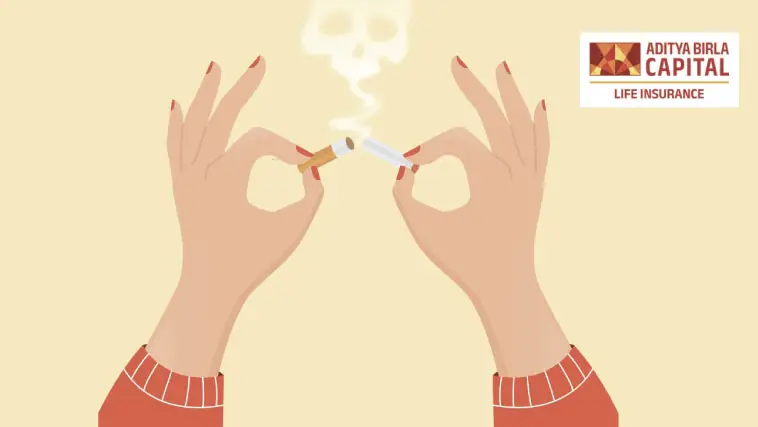
 Table of Contents


 GET A CALLBACK