

- All Insurance
- Endowment Plans
- Savings PlansNew
- Term Insurance
- Pension PlansNew
- Critical Illness Insurance
- ULIP Plan
- Group Insurance
- Protection Solutions
- Employer Employee
- Voluntary
- Affinity
- Credit Life
- Retirement Solutions
- Annuity Scheme
- Gratuity
- Leave Encashment
- Post Retirement Medical Benefits Scheme
- Superannuation
- Withdrawn Products
- NRI Plans
- Articles
- Where Do I?
- Find Customer Service
- Learn About Life Insurance
- Become a Life Insurance Advisor
- Know Our Funds
- Manage My Claim
- Know more about UPI Autopay
- Read FAQs
- Register For One ABC Id
- Download Forms
- Read Market Outlook
- Download Public Disclosures
- Disclosure of Key Performance and Financial Parameters
- Financial Calculator
- Know your Advisor
- Term Insurance
- Manage My Policy
- Her Insurance

Connect
Aditya Birla Sun Life Insurance Company Limited



Aditya Birla Sun Life Insurance Company Limited
How much gratuity will I get on my salary in 2026?
 September 16, 2026
 5 mins read


Plan Smarter, Live Better!


 Table of Contents
How Much Helpful You Found This Article?

Rated by 0 reader
/ 5 ( reviews )
Not helpful
Somewhat helpfull
Helpful
Good
Best

Thank you for your feeback
Frequently asked questions
It depends on how the payment fits the statutory wage definition. Do not simply include every allowance or assume that statutory wages equal 50% of CTC. If excluded allowances exceed the permitted proportion of remuneration, an add-back may apply. Ask payroll for the exact component-wise calculation.
It can. The formula uses last drawn wages, so a genuine increase in the statutory wage figure before separation may increase the calculation for all qualifying service years. A rise in gross salary that does not increase statutory wages may not have the same effect.
Gratuity normally becomes payable on a qualifying termination of employment, such as superannuation, retirement, resignation, death, or disablement. It is not generally an in-service withdrawal account. Check any more favourable employer scheme separately.
Coverage depends on the establishment category, employee threshold, prior coverage, and applicable law. Once an establishment becomes covered, coverage may continue even if headcount later falls. An uncovered employer may still provide contractual gratuity, but a universal divide-by-30 calculation should not be assumed without checking the governing terms.
Five years is the general continuous-service condition, but it does not apply when termination is due to death or disablement. Expiry of qualifying fixed-term employment also has a specific treatment under the current labour-code framework. The reason for separation matters.
Yes. A more favourable award, agreement, contract, or employer gratuity policy may provide a higher benefit. Review the governing document and remember that the additional amount may have separate tax consequences.
Show All
Hide
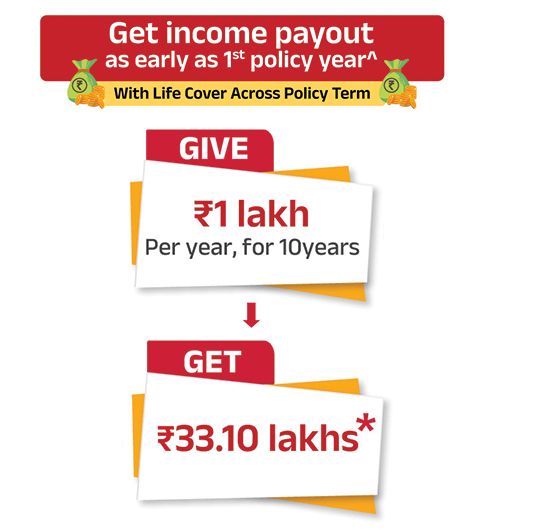
Give ₹1 lakh/ month for 5 years and Get ₹ 4.01 lakhs every year till your life1
ABSLI Guaranteed Annuity Plus
Multiple annuity options, Regular income stream.

Guaranteed# lifelong income

Top-up option for annuity
Single/Joint Life cover option
Deferred annuity option
Give :
₹ 1 lakhs/Month for 5 year¹
Get :
₹4.01 lakhs/-
 ENQUIRE NOW
Recently Added Article





Most Popular Calculator


Tax disclaimer: With effect from 1 April 2026, the provisions of the Income-tax Act, 2025 shall prevail. References to earlier section numbers, if any, must be read with the corresponding provisions of the prevailing Act, as amended from time to time. Tax treatment depends on individual circumstances and may change. Readers should consult a qualified tax adviser. ABSLI is not responsible for tax positions adopted by a reader.
This article is for information and awareness purposes only. It is not legal, tax, financial or investment advice and does not constitute an offer, recommendation or invitation to purchase any insurance product. Eligibility, gratuity calculation and tax treatment depend on applicable law, employment terms and individual facts. Readers should verify information with their employer and an appropriately qualified professional.
BEWARE OF SPURIOUS PHONE CALLS AND FICTITIOUS OR FRAUDULENT OFFERS. IRDAI is not involved in activities such as selling insurance policies, announcing bonus or investment of premiums. Members of the public receiving such calls are requested to lodge a police complaint.

