Drinking alcohol does not automatically prevent you from buying Life Insurance or invalidate a policy. An insurer may ask how often and how much you drink, assess related health information, and offer terms based on your individual risk. Give accurate answers on the proposal form and read the policy wording before relying on any death or rider benefit.
The practical distinction is between your disclosures when you apply, the terms accepted by the insurer, and the circumstances of a later claim. Each can matter in a different way. A social drinker, a person with an alcohol-related medical condition, and a person recovering from dependence should all answer the actual questions asked, without assuming that one label decides the outcome.
Can someone who drinks alcohol buy Life Insurance?
Yes, drinking is not by itself a universal bar to cover. Eligibility and pricing depend on the insurer’s assessment of your proposal, health, drinking pattern, and any requested evidence. A decision may include standard terms, a different premium, modified benefits, postponement, or a decline. No published “safe number of drinks” guarantees acceptance.
A proposal may ask whether you consume alcohol, the form in which you consume it, the quantity, how long you have consumed it, and whether a physician advised you to stop. The question may also cover past use. Answer the form as written and explain any variation in your pattern rather than rounding it down to fit a perceived category.
How can alcohol use affect premium or medical assessment?
An insurer may look at the full risk picture, including consumption history, disclosed diagnoses, treatment, and medical evidence. The premium is an underwriting decision, not a fixed surcharge for every person who drinks. Ask for a written illustration or offer based on your own declaration before comparing affordability. For example, someone who drinks occasionally and has no disclosed health issue may receive a different decision from someone whose doctor has advised abstinence.
That example illustrates why an accurate medical history matters. It does not predict either person’s premium. If additional tests are requested, complete them and ask what information is needed if a result requires clarification.
What should you disclose in the proposal form?
Disclose the frequency and quantity requested, any past or current alcohol related condition, treatment or advice to stop, and other facts the form asks for. Review the final submitted answers yourself, including answers entered by an intermediary. Keep a copy of the completed proposal and any written clarification you send. If an answer is uncertain, describe the uncertainty plainly and request the insurer’s preferred way to record it.
If the form has a yes or no answer that does not capture a change in habits, attach a dated explanation. Do not rely on a medical test to correct an incomplete answer: a test result and a personal history serve different purposes.
What if you have stopped drinking or are in recovery?
You may still apply. State when your pattern changed and provide any treatment or follow up records the insurer requests. The assessment depends on your circumstances, the application questions and current underwriting rules. There is no universal sobriety period that guarantees approval or a preferred rate. If an insurer postpones a decision, ask which information or interval it wants before reconsideration. Keep ongoing medical care separate from an Insurance application decision. Do not change or stop treatment merely to obtain an Insurance quote.
Does an alcohol related death automatically lead to a rejected claim?
No. There is no sound basis for a blanket rule that every death involving alcohol is excluded from basic life cover. A claim is assessed against the issued policy, the cause and circumstances of death, the proposal disclosures, and applicable law. A separate accidental death or critical illness benefit may contain narrower conditions than the base cover.
For example, an exclusion concerning unlawful activity or driving under the influence of alcohol is different from the statement that any alcohol use cancels all life cover. A nominee should obtain the policy schedule, base policy terms, and each rider wording before deciding what is payable. If the insurer declines a claim, requests its written reasons and the clause and evidence relied upon.
Can an insurer question a policy because alcohol use was not disclosed?
Material inaccuracies can have serious consequences, but the insurer must follow Section 45 of the Insurance Act, 1938. The provision sets a three year period measured from the latest of the issue, risk commencement, revival or rider date for questioning a life policy, with distinct rules for fraud and material misstatement, including notice and other statutory conditions. After that period, the policy cannot be called in question on any ground under Section 45.
This does not mean every omission leads to repudiation, nor does it make a claim automatically payable regardless of other policy conditions. The precise facts, timing, and statutory safeguards matter. Nominees facing a disputed decision should request the complete written grounds and seek appropriate professional or grievance support.
What if you start drinking after the policy begins?
A later change in drinking habits does not automatically cancel an in force life policy. First check the policy’s ongoing notification duties, especially if you request revival, an increased benefit or a rider, when new declarations may be required. Claims still depend on the issued cover and its specific exclusions. If the change is substantial or accompanied by a diagnosis, contact the insurer in writing and ask whether the contract calls for an update. Retain the reply with your policy records. Avoid assuming that an informal phone conversation amends contractual terms.
How can you apply with fewer surprises?
Start with a complete proposal, then compare the actual offer with what you requested. Confirm the sum assured, premium, exclusions, rider conditions, and any additional underwriting terms before you accept. If an answer changes before issuance, send the correction in writing and obtain acknowledgement. After issuance, store the policy schedule and proposal copy where your nominee can find them.
Tell your nominee how to contact the insurer and what documents are likely to be needed. A clear paper trail helps distinguish the facts disclosed at application from later developments.
How can ABSLI help with a disclosure or claim question?
Aditya Birla Sun Life Insurance Company Limited provides proposal and customer service routes for questions about disclosures, issued terms, and claims. Ask for a written response tied to your proposal or policy number. The relevant contract and individual underwriting decision govern, not a general article. Its published claims FAQ describes claim contact routes and notes that exclusions vary by policy.






 September 24, 2026
 5 mins


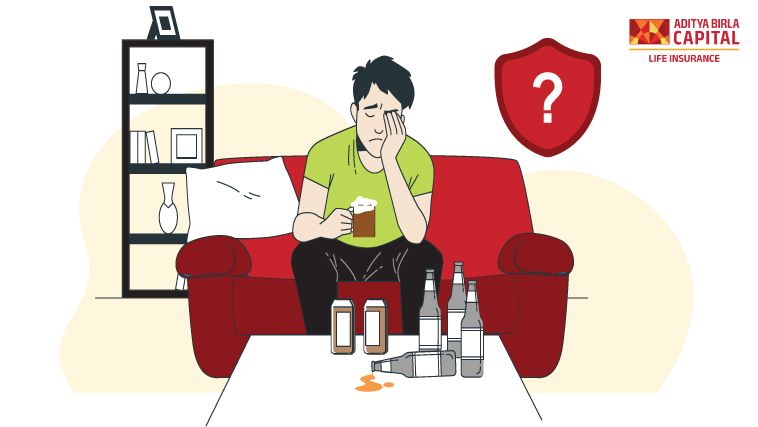
 Table of Contents


 BUY ONLINE