Homemakers can need Life Insurance because their unpaid work has a real replacement cost. If a homemaker dies, the household may need paid childcare, elder care, cooking, transport, administration, or other support. Life Insurance can help address that financial gap, subject to eligibility, underwriting, and policy terms. The decision should not depend only on whether the homemaker earns a salary.
It should examine which services the household relies on, how long those services would need to be replaced, and whether existing savings and family income could absorb the cost.
Why does a homemaker's contribution create a financial need?
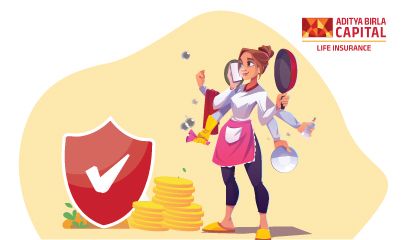
A homemaker may coordinate daily care, education, appointments, meals, household budgets, and support for older relatives. Replacing several responsibilities at once can increase expenses or require an earning family member to reduce working hours. Life cover can provide funds that the family may use according to its priorities.
This is a financial assessment, not an attempt to place a price on a person. The purpose is to identify the household costs and income disruption that could follow the loss of essential unpaid work.
How can a family estimate the required cover?
List the services the homemaker performs, estimate what the household would pay to replace essential services, and decide how long support would be required. Add relevant liabilities and education or care commitments. Then subtract assets and existing cover available for those needs. Use realistic local costs and avoid copying a standard figure.
The estimate may include childcare, elder care, household help, transport management, and any reduction in the earning partner's income. The insurer will separately decide the cover available after underwriting and financial assessment.
Can a homemaker buy Term Insurance?
A homemaker may be eligible for Term Insurance, but eligibility, sum assured, premium, and documentation depend on the insurer's underwriting rules and the specific product. The insurer may assess household income, the earning spouse's cover, family financial position, age, health, and other requested information. Do not assume that every plan has the same eligibility criteria. Review the product prospectus, required documents, exclusions, and claim conditions. Provide complete and accurate information in the proposal form.
What if the family has a Home Loan or other debts?
A Loan can increase the protection need if the household would struggle to maintain repayments after losing the homemaker's contribution. Even when the homemaker is not the primary borrower, childcare, or household replacement costs can reduce the money available for instalments. Check whether the Loan has any attached cover, who is insured, the benefit structure, and whether the cover is sufficient. A Loan Policy and an Individual Life Insurance can work differently, so the documents should be reviewed separately.
Should the earning partner's cover be reviewed?
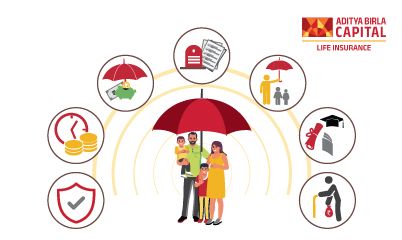
Yes. The household protection plan should consider both the earning partner's income and the homemaker's unpaid contribution. Cover for one person does not automatically address the financial impact of losing the other. Each need should be calculated separately and reviewed together. A balanced review can reveal gaps such as insufficient childcare funding after the homemaker's death or inadequate income replacement after the earning partner's death. Nomination and policy records should also be kept current.
Which policy features should a family check?
Check the sum assured, policy term, premium payment obligation, exclusions, medical and financial underwriting, nomination, claim process, and lapse conditions. The policy term should broadly match the period during which the household would need financial support. The most common mistake is choosing Life Insurance only by premium or maturity-related messaging. Start with the protection purpose. If a product includes other features, evaluate those features separately and read the policy wording before deciding.
What should a family do next?
Document the homemaker's essential responsibilities, estimate replacement costs, review liabilities and existing cover, and discuss how the household would operate if those responsibilities had to be replaced. Use that assessment when reviewing eligible policies and product prospectuses.
How should families keep the cover useful over time?
A homemaker Life Insurance decision should be reviewed when caregiving duties, household debt, children's needs, family income, or available support changes. A cover amount based on old assumptions may no longer match the household's actual replacement costs or liabilities. Keep premium due dates, nomination details, and contact information current.
Store the policy document and claim guidance where the nominee can find them. If the policy no longer fits the family's needs, understand the consequences before replacing, reducing or discontinuing it. A new application may require fresh underwriting, and acceptance is not automatic.






 November 11, 2026
 5 mins read






 Table of Contents


 BUY ONLINE