

- All Insurance
- Endowment PlansNew
- Savings PlansNew
- Term InsuranceNew
- Pension PlansNew
- Critical Illness Insurance
- ULIP PlanNew
- Group Insurance
- Protection Solutions
- Employer Employee
- Voluntary
- Affinity
- Credit Life
- Retirement Solutions
- Annuity Scheme
- Gratuity
- Leave Encashment
- Post Retirement Medical Benefits Scheme
- Superannuation
- Withdrawn Products
- NRI PlansNew
- Articles
- Where Do I?
- Term Insurance
- Manage My Policy
- Her Insurance

Connect
Aditya Birla Sun Life Insurance Company Limited



Aditya Birla Sun Life Insurance Company Limited
How Do Single People Plan Retirement Without Family Support?
 January 8, 2026
 5 mins read

Plan Smarter, Live Better!


 Table of Contents
How Much Helpful You Found This Article?

Rated by 0 reader
/ 5 ( reviews )
Not helpful
Somewhat helpfull
Helpful
Good
Best

Thank you for your feeback
FAQs
This is a grim but practical question. You can register with an NGO (like Wish To Die or local charitable trusts) that handles last rites for singles. You can also specify this in your Living Will and leave a small fund (or assign an insurance policy) to the organization to cover the costs.
It is difficult. Insurers prefer "insurable interest" (family). However, you can Assign the policy to a friend or a Trust. Assignment transfers legal ownership, which is stronger than nomination. Alternatively, write a Will leaving the proceeds to the friend.
Yes, often safer than living alone in a regular apartment. These communities have 24/7 security, CCTV, and verified staff. Many have a high population of single women and widows, creating a strong peer support network.
This is the biggest risk. You must set up a Dementia Trust or specific Power of Attorney while you are still healthy. Once diagnosed, you legally lose the capacity to sign documents. A "Deferred Annuity" is also good, it ensures income keeps coming even if you forget to manage investments.
Indian laws on adoption are strict and generally do not allow adopting an adult solely for inheritance. It is better to use a Will to bequeath assets to a younger adult (like a mentee or nephew) whom you trust to care for you, rather than trying legal adoption.
For singles, owning a house can be a burden (maintenance, safety). Selling and moving to a Service Apartment or Senior Living (on a long-lease deposit model) releases cash for your corpus and removes the headache of leaky roofs and plumbing.
In 2025, expect to pay:
● 12-hour shift: ₹20,000 - ₹25,000/month.
● 24-hour live-in: ₹35,000 - ₹45,000/month (plus food/stay).
● ICU Setup at home: ₹1 Lakh+/month.
Your retirement corpus must be able to sustain this expense for at least 5 years.
Most insurers restrict Joint Life Annuities to Spouses. You likely cannot buy a joint annuity with a brother/sister. You will have to buy separate individual annuities.
These are firms (often wings of banks or legal firms) that you appoint in your Will to manage your estate. They charge a fee (e.g., 1-2% of assets). They ensure your assets are liquidated, debts paid, and the remainder given to your chosen charity/beneficiary professionally, without family drama.
Because "Return of Purchase Price" (ROP) is an inheritance feature. It gives your money back to someone else when you die.
● Example:
a. ROP Option: Pays you ₹50,000/month. (Heirs get ₹1 Cr).
b. Life Only: Pays you ₹75,000/month. (Heirs get ₹0).
● As a single person, you should take the extra ₹25,000/month to enjoy your life!
Show All
Hide
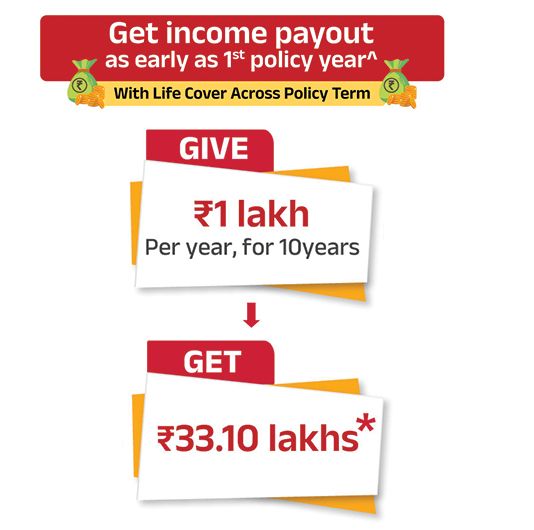
Give ₹1 lakh/ month for 5 years and Get ₹ 4.01 lakhs every year till your life1
ABSLI Guaranteed Annuity Plus
Multiple annuity options, Regular income stream.

Guaranteed# lifelong income

Top-up option for annuity
Single/Joint Life cover option
Deferred annuity option
Give :
₹ 1 lakhs/Month for 5 year¹
Get :
₹4.06 lakhs/-
 ENQUIRE NOW
Recently Added Article





Most Popular Calculator


#Provided all due premiums are paid
For further details regarding the above-mentioned rider, please refer to the respective rider prospectus(s) available on our website.
All costs and price ranges mentioned in this guide are approximate and based on publicly available data at the time of writing. Actual expenses may vary depending on location, lifestyle, currency fluctuations, and changing market conditions. Readers should verify current prices before making financial decisions.
ADV/1/25-26/1516

