Aditya Birla Sun Life Insurance Company Limited

Smart Investment Plans to Drive Off in Your New Car Sooner

Icon-Calender December 9, 2025
Icon-Clock5 mins read
Rated by reader
https://lifeinsurance.adityabirlacapital.comnullCLOSE-BUTTON

Plan Smarter, Live Better!

*Min 3 characters allowed
+91
*Please enter a valid 10 digit Mobile No
https://lifeinsurance.adityabirlacapital.comnullCLOSE-BUTTON
ICON-TICK

Thank you for your details. We will reach out to you shortly.

https://lifeinsurance.adityabirlacapital.comnullCLOSE-BUTTON
ICON-TICK

Currently we are facing some issue. Please try after sometime.

banner-imagemob-image
  • Icon-Index
    Table of Contents

Owning a car is more than just a convenience; it’s a significant milestone for many, offering freedom, flexibility, and an enhanced lifestyle. However, planning to buy a car can sometimes be financially stressful if not planned properly. Smart investment strategies can ease this journey, ensuring you can buy your dream car without financial strain. Whether you’re eyeing a sleek sedan or a compact hatchback, a well-thought-out investment plan can help you achieve this goal sooner than you think.

Deciding on the Car Type and Price

When planning to buy a car, one of the first steps is deciding on the type and price range that suits your needs and budget. Should you go for an economical car or a luxury vehicle? Is a brand-new car worth the extra cost, or would a used car be a smarter choice?

Economic vs. Luxury Cars

  • Economic Cars These are typically more affordable in terms of the purchase price and maintenance costs. They are ideal for budget-conscious buyers or those looking for a practical, reliable vehicle for everyday use.

  • Luxury Cars These come with higher price tags but offer advanced features, superior comfort, and often, a prestigious brand name. If you have a higher budget and prioritise style and comfort, a luxury car might be appealing.

New vs. Used Cars

  • New Cars Buying a new car ensures you get the latest features, a full warranty, and the joy of being the first owner. However, new cars depreciate quickly (which is a crucial factor to consider).

  • Used Cars Opting for a used car can save you a significant amount of money. While they may have some wear and tear, many used cars are in excellent condition and offer great value for money. It's essential to check the vehicle’s history and condition thoroughly before purchasing.

By carefully considering these factors, you can make an informed decision that aligns with your financial goals and preferences.

Setting a Savings Target

To efficiently save for your new car, it’s crucial to set a clear savings target. This target should include the total cost of the car, factoring in the down payment, monthly EMIs (Equated Monthly Installments), and ongoing maintenance costs.

  • Total Cost Begin by researching the total price of the car you wish to buy, including taxes and registration fees.

  • Down Payment Determine the amount you plan to pay upfront. A higher down payment can reduce your loan amount and lower your monthly EMIs.

  • EMIs Calculate the monthly payments you need to make if you take a loan. Use online EMI calculators to estimate these amounts based on different loan tenures and interest rates.

  • Maintenance Don’t forget to include the estimated maintenance cost, insurance, and fuel. These recurring expenses are crucial for budgeting accurately.

A detailed savings target will help you understand how much you need to save and over what period, making your financial planning more structured and achievable.

5 Short-Term Investment Avenues That Can Help You Buy A New Car

To reach your savings target efficiently, consider investing in short-term options that can provide good returns within a few years. Here are five suitable investment avenues for saving for a car:

1. Recurring Deposits (RDs)

  • Description: Fixed monthly deposits with a bank or post office.
  • Benefits: Guaranteed# returns and flexibility in deposit amounts and terms.

2. Fixed Deposits (FDs)

  • Description: Lump-sum deposits for a fixed tenure with banks or NBFCs (Non-Banking Financial Companies).
  • Benefits: Higher interest rates than savings accounts and assured returns.

3. Short-Term Debt Mutual Funds

  • Description: Funds that invest in debt securities with short maturities.
  • Benefits: Potentially higher returns than traditional deposits with moderate risk.

4. Systematic Investment Plans (SIPs) in Mutual Funds

  • Description: Regular investments in mutual funds over a period.
  • Benefits: Compounding returns and flexibility in investment amounts.

5. Public Provident Fund (PPF)

  • Description: Long-term savings scheme with tax benefits*.
  • Benefits: Tax-free returns and secure investment backed by the government.

By choosing the right mix of these investment options, you can grow your savings efficiently and drive off in your new car sooner.

Negotiating the Best Deal

Securing a great deal on your car can significantly reduce your overall expenditure. Here are some effective tips to help you negotiate with dealers and time your purchase for the best offers:

  • Do Your Homework Research the car model you’re interested in, including its market price, features, and reviews. Being well-informed gives you a stronger position during negotiations.

  • Compare Multiple Dealers Visit or contact multiple dealerships to compare prices and offers. This can help you identify the best deal available.

  • Timing is Key Look for end-of-year or festive season sales when dealers are more likely to offer discounts and promotions to meet their sales targets.

  • Leverage Online Tools Use online price comparison tools and forums to understand the best prices and ongoing offers.

  • Negotiate on the Total Cost Don’t just focus on the sticker price. Negotiate the total cost, including accessories, insurance, and registration fees.

By being strategic and prepared, you can secure a deal that fits your budget and preferences.

Insurance and Upkeep Costs

Budgeting for ongoing expenses is crucial to ensure your car remains an asset rather than a financial burden. Here’s what to consider:

  • Insurance Premiums Choose a comprehensive insurance policy that offers adequate coverage for your car. Compare different policies to find the best premium rates and benefits.

  • Regular Maintenance Allocate funds for routine maintenance, including oil changes, tyre rotations, and brake checks. Regular upkeep can prevent costly repairs in the future.

  • Fuel Costs Estimate your monthly fuel expenses based on your car’s mileage and typical driving patterns.

  • Unexpected Repairs Set aside a contingency fund for unexpected repairs or part replacements to avoid financial strain.

By planning for these expenses, you can enjoy your new car with peace of mind, knowing you’re financially prepared for its upkeep.

Conclusion

Investing wisely can significantly ease the journey to owning your dream car. By carefully planning your savings, choosing the right investment avenues, negotiating effectively, and budgeting for ongoing expenses, you can drive off in your new car without financial stress. Remember, a well-thought-out financial plan not only brings your car ownership dream closer but also ensures you enjoy the journey with peace of mind.

How Much Helpful You Found This Article?

Rating_Star
Rated by 0 reader
/ 5 ( 0 reviews )
Not helpful
Somewhat helpfull
Helpful
Good
Best
RatingTick

Thank you for your feeback

Don’t forgot to share helpful information in your circle

FAQs

Begin by setting a clear savings target, including the total cost of the car, down payment, EMIs, and maintenance. Choose suitable investment options like recurring deposits, mutual funds, or fixed deposits to grow your savings effectively.

A new car offers the latest features, a full warranty, and the satisfaction of being the first owner. However, it depreciates faster. A used car is more affordable and offers good value, but it may require thorough checks and possible repairs.

Research thoroughly, compare prices from multiple dealers, and time your purchase around sales events like year-end or festive sales. Use online tools to understand market prices and be prepared to negotiate the total cost, including accessories and insurance.

Consider recurring deposits, fixed deposits, short-term debt mutual funds, systematic investment plans (SIPs) in mutual funds, and public provident funds (PPF) for efficient savings growth.

Consider your budget, lifestyle, and priorities. Economic cars are more affordable and practical, while luxury cars offer advanced features and comfort at a higher cost.

Your budget should cover the car’s total price, down payment, monthly EMIs, insurance premiums, regular maintenance, fuel costs, and a contingency fund for unexpected repairs.

Insurance and upkeep costs are recurring expenses that can impact your budget significantly. Planning for these costs ensures you can maintain your car without financial strain.

The best times to buy a car are during year-end sales, festive seasons, or when dealers are clearing out older models. Dealers are often more willing to negotiate and offer discounts during these periods.

Regularly maintain your car, choose a comprehensive insurance policy, and set aside funds for unexpected repairs. This proactive approach helps keep your car in good condition and reduces financial stress.

You can use returns from existing investments like mutual funds, fixed deposits, or stocks to fund your car purchase. Ensure you plan your investments to align with your car buying timeline for optimal results.

Show All
Hide

Thanks for reaching out. We will reach out to you shortly.

Thanks for reaching out. Currently we are facing some issue.

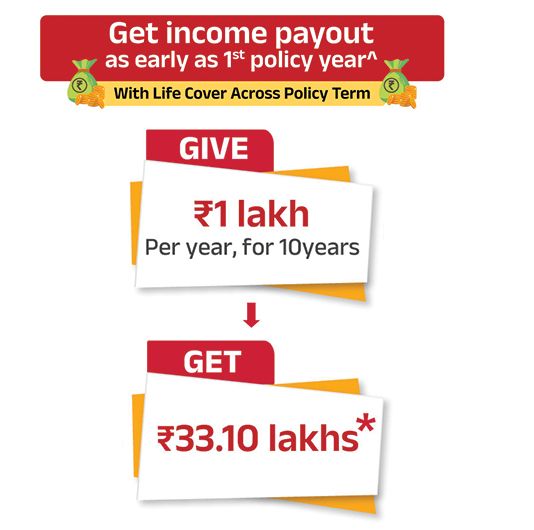
Get immediate income payout after 1 day of policy issuance^

*Min 3 characters
+91phone-icon
*Please enter a valid 10 digit Mobile No.
*This field is required.

ABSLI Nishchit Aayush Plan

ICON-CLICK

Guaranteed# Income

ICON-CLICK

Life Cover across policy term

ICON-CLICK

Lumpsum Benefit at policy maturity.

Get:
₹33.74 lakhs~

Pay:
₹10K/month for 10 years

*Tax benefits are subject to changes in tax laws. Kindly consult your financial advisor for more details

#Provided all due premiums are paid.

This blog is for information and awareness purposes only and does not purport to any financial or investment services and do not offer or form part of any offer or recommendation. The information is not and should not be regarded as investment advice or as a recommendation regarding any particular security or course of action.

Every effort is made to ensure that all information contained in this blog is accurate at the date of publication, however, the Aditya Birla Sun Life shall not have any liability for any damages of any kind (including but not limited to errors and omissions) whatsoever relating to this material.

Please note that we have provided our above views based on current interpretation of income tax provisions.

Such interpretations may differ at customer’s consultant level. ABSLI shall not be responsible for tax positions adopted by customer.

ADV/12/25-26/1397

whatsapp-imagewhatsapp-image