Yes, an NRI may be able to buy Health Insurance in India for themselves or eligible family members, but acceptance and coverage depend on the product. Before paying, confirm who can be insured, where treatment is covered, how claims work from abroad, which waiting periods apply, and whether continuous renewal can be maintained.
Can an NRI buy Health Insurance in India?
An NRI can apply for an Indian Health Insurance Policy when the selected product permits the proposer and insured persons' residency status. Insurers may separately define eligibility for NRIs, Overseas Citizens of India, Persons of Indian Origin, and foreign nationals. The proposal remains subject to underwriting, documents, medical history, and product rules.
Do not assume that every plan displayed in India accepts an overseas resident. One health product may allow an NRI to insure parents living in India, while another may restrict cover to Indian citizens ordinarily residing in India. Request written eligibility confirmation for each insured person before paying.
Who will actually use the policy? Where do they live?
The right policy depends first on the insured person, not the payer. An NRI buying one for parents in India has a different need from an NRI seeking cover for personal treatment during visits. Record each person's age, city, residency, medical history, existing cover, and expected country of treatment before comparing policies. Consider three common situations:
- Parents or dependents live in India and expect treatment in India.
- The NRI visits India periodically but ordinarily lives and receives care overseas.
- The family needs treatment access in both India and another country.
The third situation requires express overseas or global cover. A domestic Indian policy should not be treated as worldwide protection merely because the policyholder is an NRI.
Will an Indian health policy pay for treatment abroad?
Only if the policy wording expressly includes the relevant overseas treatment. Many Indian indemnity Health Policies primarily cover eligible treatment in India. Even a plan with global features may restrict countries, treatment types, pre-authorisation, network access, deductibles, co-payments, or reimbursement currency. Ask for written answers to these questions:
- Is planned and emergency treatment outside India covered?
- Which countries or territories are included or excluded?
- Is prior approval required before overseas admission?
- Does the insurer settle directly or reimburse later?
- Which exchange rate and document rules apply?
- Are travel, visa, evacuation or repatriation expenses excluded?
Travel and Health Insurance solve different needs. Do not assume one replaces the other.
What should an NRI compare before choosing a policy?
Compare the Customer Information Sheet, policy wording, and benefit schedule, not only the headline sum insured. The practical value of a policy depends on room eligibility, co-payments, deductibles, sub-limits, waiting periods, exclusions, restoration rules, network hospitals, and the claims process.
|
Check
|
Why it matters for an NRI
|
|
Territorial scope
|
Shows whether treatment is limited to India or extends overseas
|
|
Network hospitals
|
Affects cashless access near the Indian home or parents' residence
|
|
Co-pay and deductible
|
Determines the share payable by the insured
|
|
Room-category limit
|
Can affect admissible hospital expenses under policy terms
|
|
Waiting periods
|
Delays cover for specified conditions or pre-existing diseases
|
|
Pre and post-hospitalisation
|
Defines related expenses before and after admission
|
|
Reimbursement documents
|
Overseas applicants may need originals, translations and Indian bank details
|
|
Renewal and portability
|
Protects continuity credits when residency or insurer changes
|
Use the free-look period stated in the issued policy to compare the final document with the proposal, Customer Information Sheet, and benefit schedule.
What medical and residency information must be disclosed?
Disclose all material facts requested in the proposal, including symptoms, diagnoses, medication, tests, prior admissions, tobacco or alcohol use, occupation, overseas residence, and other Insurance. Answer the insurer's questions completely and keep a copy of the submitted proposal and supporting records. Do not rely on an intermediary to decide that a condition is unimportant. If space is insufficient, submit an attachment and retain written acknowledgement.
An insurer may request medical examinations or additional records in India or overseas. Underwriting may lead to acceptance, postponement, an extra premium, a co-payment, specific terms, or rejection.
How do waiting periods and the moratorium affect an NRI?
Waiting periods limit cover for specified conditions for a defined time. The moratorium limits when a continuously renewed policy and claim can be contested for non-disclosure or misrepresentation, except for established fraud and permanent exclusions. They are different protections and neither removes the need for complete disclosure.
IRDAI's Master Circular on Health Insurance Business dated 29 May 2024 states a moratorium of 60 continuous months, including portability and migration. The moratorium for an enhanced sum insured applies from the enhancement date to the increased portion. Read the current circular and your policy for the exact application.
Continuity matters for NRIs who may miss reminders across time zones. Use a reliable Indian contact, keep communication details current, and schedule renewal early enough to resolve payment or banking issues.
How will cashless and reimbursement claims work?
Cashless treatment requires an eligible claim and an appropriate hospital arrangement under the policy. The hospital sends a pre-authorisation request, and the insurer or claims administrator assesses it. Non-admissible items, deductibles, co-payments, sub-limits, and exclusions, can remain payable by the insured. For reimbursement, the insured generally pays first and submits the required documents within policy timelines.
An NRI coordinating a parent's claim should arrange access to the health card, policy number, identification, prescriptions, diagnostic reports, hospital bills, discharge summary, payment receipts, and bank details. Before purchase, test the support process from overseas: confirm the service number, email, authorised family contact process, document submission channel, and escalation route.
Keep the nominee and contact details accurate, even though health-claim payments follow the policy's claimant and Bank Account rules rather than Life Insurance nomination concepts.
Can an NRI port an existing Indian Health Policy?
Portability may allow continuity credits to move from one Indian Health Policy to another, subject to the regulatory framework, underwriting, and the new product's terms. Start before renewal and do not cancel the existing cover until the new insurer confirms acceptance and the effective date. Compare not just premium but also carried-forward waiting-period credit, moratorium credit, accumulated benefits, changed exclusions, deductibles, and any fresh underwriting conditions. A break in cover can affect continuity protections.
Can an NRI claim a tax deduction for the premium?
An eligible NRI taxpayer may claim a Section 80D deduction under the old tax regime when statutory conditions are met. For FY 2025-26, official Income Tax Department guidance lists ₹25,000 for self, spouse or dependent children and ₹25,000 for parents, with a ₹50,000 limit where the relevant insured person is a senior citizen.
The preventive health-check amount is included within the applicable limit. The payment method, relationship, age, Indian tax status, and policy details matter. Under the default new tax regime, most Chapter VI-A deductions, including Section 80D, are generally not enabled. Tax laws and individual eligibility can change, so obtain advice from a qualified tax professional.
What is the final buying checklist for an NRI?
Buy only after you can answer each point from the policy documents. A policy suited to a parent living in India may not protect an NRI overseas. The decisive evidence is the issued contract and Customer Information Sheet, supported by written answers from the health insurer.
- Confirm eligibility for every proposer and insured person's residency category.
- Confirm the geographical scope and overseas-treatment rules.
- Compare the Customer Information Sheet, policy wording, and benefit schedule.
- Disclose medical, lifestyle, occupation and residency information fully.
- Check waiting periods, co-pays, deductibles, sub-limits, and permanent exclusions.
- Verify cashless hospitals near the expected place of treatment.
- Understand reimbursement documents and Indian Bank Account requirements.
- Protect renewal continuity and start portability before the renewal date.
- Review the issued policy within the free-look period.
- Keep an overseas-accessible service and escalation plan.






 August 31, 2026
 7 mint


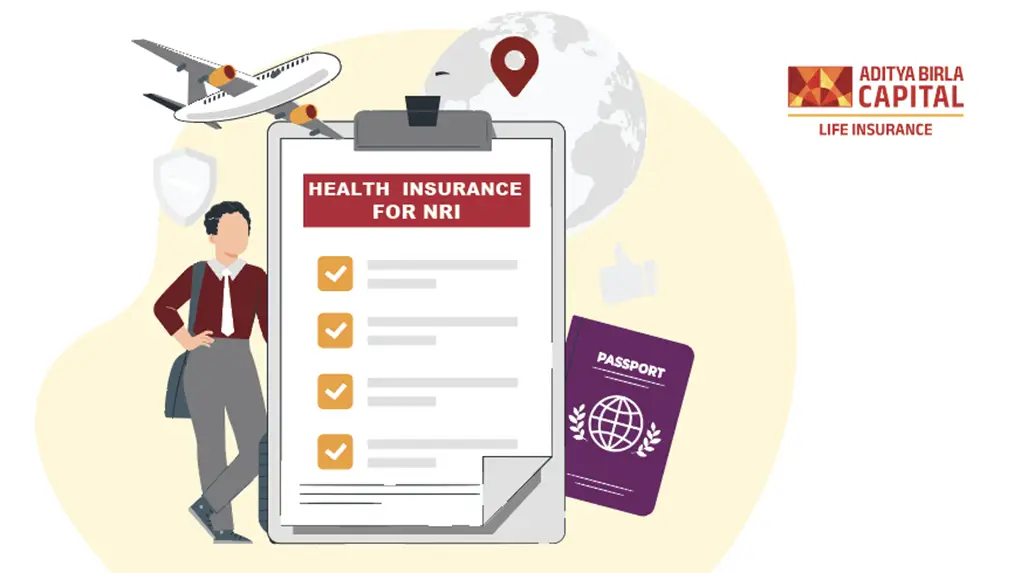
 Table of Contents


 BUY ONLINE