Smokers may pay a higher Life Insurance premium because tobacco use is associated with a greater risk of serious illness and premature death. An insurer prices that risk alongside the applicant’s age, health, amount of cover, and policy term. There is no standard smoker surcharge that applies to every person or plan. A quotation is only an indication until the insurer evaluates the application.
The useful comparison is between quotations for the same cover, term, benefit structure, and personal details, with tobacco use stated accurately. A lower figure shown for a non-smoker does not describe what a tobacco user will be charged.
How does tobacco use affect the price?
For Life Insurance, a premium reflects the insurer’s assessment of the chance and timing of a covered claim, as well as the benefits promised under the contract. The World Health Organization identifies tobacco use as a major risk factor for cardiovascular and respiratory disease and for many cancers. That population level evidence helps explain why tobacco history can influence underwriting. It does not determine any individual’s premium.
Insurers also consider the applicant’s age, medical history, proposed sum assured, duration of cover, and other disclosed risks. Two people who both smoke can receive different decisions. An application may be accepted at quoted terms, offered different terms, deferred pending information or declined, depending on underwriting. Ask for a written quotation and read the final policy schedule before paying.
What counts as smoking or tobacco use on an application?
Answer the proposal form exactly as worded. It may ask about cigarettes, bidis, cigars, pipes, chewing tobacco, gutkha, nicotine products, vaping, frequency, past use, and the date you last used them. An occasional or social habit should still be disclosed when the question covers it. Do not decide on your own that an infrequent habit makes you a non-smoker.
Vaping and nicotine replacement products require particular care because their composition and the insurer’s questions can differ. State the product, frequency, and reason for use, including a quit attempt. If a form does not give enough room, attach a written explanation and retain a copy. A medical examination, where requested, supplements the answers. It does not replace honest disclosure.
How much more might a smoker pay?
There is no reliable universal percentage. A premium comparison needs the same age, sum assured, policy term, payout option, payment pattern, and medical profile. A small change in any one of those inputs can change the quote. Published example prices often assume a specified non-smoker profile and are not an offer for every applicant.
Request an illustration using your own tobacco history. Check whether the number is an annual premium or a monthly instalment, whether applicable taxes are included, and whether the premium is level for the selected term. If the final offer differs from the initial quote, ask what changed before accepting it. The insurer’s underwriting decision and issued contract govern the actual price and benefits.
Can you still buy Life Insurance if you smoke?
Yes, tobacco use does not by itself make every applicant uninsurable. Eligibility and terms depend on the particular application, including any medical conditions. Term Insurance is primarily designed to provide a stated death benefit during its cover period, subject to its terms and exclusions. Select a sum assured and duration that fit your family’s needs and what you can sustain in premiums.
If you already have a policy, do not cancel it solely because a new quote looks affordable. Compare the actual issued terms, any new medical assessment, the start of cover, and the consequences of replacing existing protection. Keep all proposal answers, reports, payment receipts, and policy documents accessible to your nominee.
Will quitting smoking lower an existing premium?
Not automatically. Quitting brings health benefits, but an existing policy’s premium follows its contract unless the insurer allows a reassessment or alteration. There is no general promise of a lower premium after a fixed number of tobacco-free months. Ask your insurer whether a change is available, what evidence and abstinence period it requires, and whether a fresh application is necessary.
Never alter your stated smoking date to seek a non-smoker price. If considering a replacement policy, wait for written acceptance and compare the complete terms before deciding what to do with current cover. A new quote may also reflect your higher current age and any change in health.
What if you leave smoking history out?
An inaccurate or incomplete answer to a material proposal question may affect underwriting and later claim assessment. Section 45 of the Insurance Act, 1938 sets specific limits, grounds and procedures for calling a life policy into question for fraud or material misstatement. It is inaccurate to say that every omission automatically cancels a policy or defeats a claim. Disclose fully and correct an error promptly in writing, keeping the insurer’s acknowledgement.
If your tobacco habits change after issue, check the policy terms and ask the insurer in writing whether any notification is required. The answer can depend on the contract and whether you seek a new benefit, revival, or alteration. Do not assume either that every lifestyle change reprices an existing policy or that later questions can be ignored.
How can you compare a quote sensibly?
- Use the same cover amount, duration, death benefit option, and payment pattern for each illustration.
- Provide the full tobacco and nicotine history requested, including social use and quit attempts.
- Read the proposal summary, medical requirements, exclusions, and final premium before acceptance.
- Keep a copy of the submitted proposal and check that the policy schedule reflects the offer you accepted.
The aim is suitable, sustainable protection with a valid and accurate application. Price is one part of that decision. The wording of the contract determines the cover.
How can ABSLI help?
Aditya Birla Sun Life Insurance can provide a personalised Life Insurance quotation and explain the proposal questions, medical requirements, and final underwriting terms. Its Term Insurance offerings are protection products. Eligibility, premium, and benefits depend on the selected policy and the issued contract. Review the relevant sales prospectus and policy wording before purchase. No specific product premium or claim outcome is represented here.






 September 29, 2026
 5 mins read



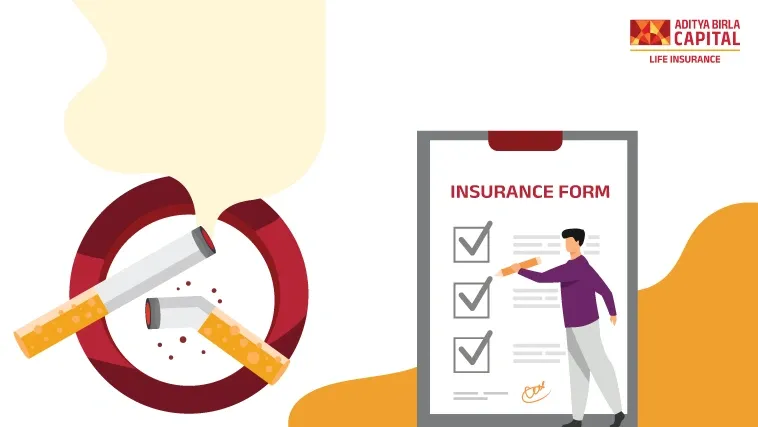
 Table of Contents


 BUY ONLINE