For many working professionals, a ₹1 crore Term Insurance cover can provide meaningful financial protection for dependants. However, whether it is sufficient depends on income, Loans, family responsibilities, future goals, and the number of years your family may depend on your earnings. The right cover amount should replace lost income while helping your family meet financial commitments comfortably.
What does a ₹1 Crore Term Insurance Plan mean?
A ₹1 crore Term Insurance Plan provides a life cover of ₹1 crore during the policy term. If the insured person passes away during the policy term and the claim is admissible as per policy terms and conditions, the nominee receives the death benefit. Term Insurance is primarily designed to offer financial protection. Unlike many other insurance products, its main objective is protection through life cover.
The sum assured acts as a financial cushion for dependants who may rely on the policyholder's income.
How do you know whether ₹1 crore cover is enough?
A ₹1 crore cover may be adequate for some families and insufficient for others. The correct amount depends on future financial obligations rather than a fixed benchmark. Consider the following:
- Outstanding Home Loan or personal liabilities
- Children's education goals
- Monthly household expenses
- Future healthcare needs
- Replacement of lost income
A practical approach is to estimate how much money your family would require if your income stopped unexpectedly. A common mistake people often make is that they select a round number such as ₹50 lakh or ₹1 crore simply because it sounds adequate. The more effective approach is to estimate actual financial responsibilities and then decide on the sum assured.
Who should consider a ₹1 crore Term Insurance Plan?
A ₹1 crore cover is often explored by individuals who have financial dependents and want a sizeable life cover at an affordable premium. It may be relevant for:
- Salaried professionals
- Parents with dependent children
- Individuals servicing a home loan
- Self-employed professionals with family responsibilities
- People seeking income replacement protection
The suitability of the coverage amount depends on personal circumstances and financial goals.
Is employer-provided life cover enough?
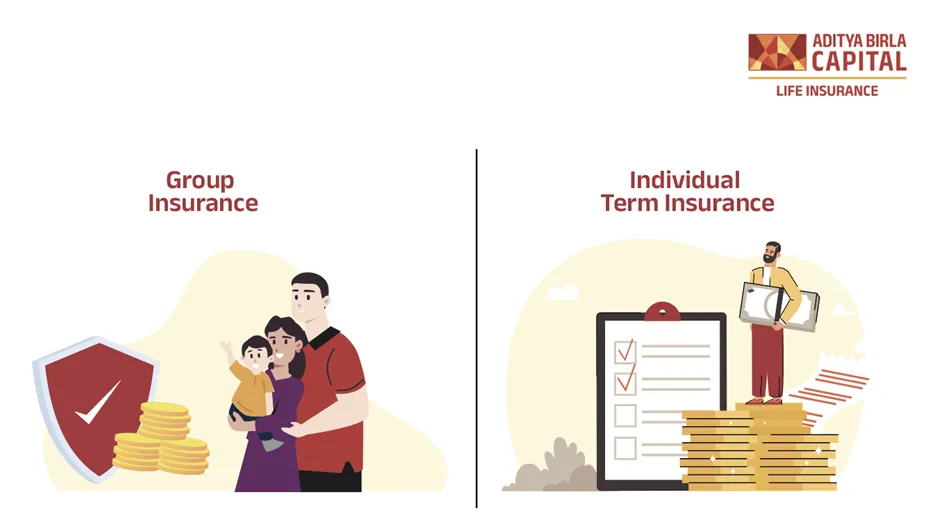
In many cases, employer-provided Group Insurance may not be sufficient as a long-term protection strategy because the cover is usually linked to employment. A job change, career break, or retirement may affect access to Group Insurance benefits. Individual Term Insurance enables continuity of protection independent of employment status.
What features should you look for in a high-cover Term Plan?
The value of a Term Insurance Plan is not determined only by the cover amount. Policy flexibility and suitability also matter. It is important to evaluate:
Choose a policy term that aligns with the years your family may financially depend on you.
- Premium payment flexibility
Some plans provide different premium payment options, helping policyholders align payments with cash-flow needs.
Certain plans may allow an increase in life cover over time, subject to product features and conditions.
Understanding claim documentation and nomination requirements can help avoid delays later.
Should you add riders to a ₹1 crore Term Insurance Policy?
Riders can enhance protection for specific risks, but the decision should depend on personal requirements rather than broad assumptions. Examples may include:
- Critical illness benefits
- Accidental death benefits
- Disability-related protection
Before selecting a rider, understand:
- Coverage terms
- Exclusions
- Benefit triggers
- Additional premium requirements
How are claims paid under a Term Insurance Policy?
When a valid claim arises and all policy conditions are satisfied, the death benefit is generally paid to the nominee according to policy terms and conditions. To help the claim process:
- Keep nominee details updated.
- Ensure disclosures are accurate.
- Inform family members about policy documents.
Store policy records in an accessible location.






 August 31, 2026
 5 mins read




 Table of Contents


 BUY ONLINE